
Treats made with love.
You can transition at any age. At 4 weeks of age, a puppy is ready to progress from their mother's milk to more solid food. Ideally, you would not be adopting a puppy before 8 weeks of age, so we recommend your breeder should manage the introduction of solid foods before you feed our diet from 8 weeks of age or older. Many breeders will already be feeding a raw diet before you take your puppy home.
It is best to transition your puppy to a raw diet as soon as their digestive system will allow. You can expect some soft poo as they adjust to the new diet. Provided your fur baby is in good spirits, this should pass in a few days.
If you are already feeding kibble, then it is often best to transition to raw food straight away, rather than mixing them together. Kibble digests very differently to raw food, so letting both food type’s digest together can keep potentially harmful bacteria in the digestive tract for longer. If you want to keep feeding kibble, then we recommend you feed as a separate small meal, rather than mixing them together.
If your puppy has diarrhoea for three or more days, you should either try cooking your raw food or switch to a food that you know agrees with them. You can reintroduce another protein source to get an idea of what is upsetting them. If they show further signs of ill health, such as refusal to eat or lethargy, seek medical advice of your vet.
Healthy & Tasty
No Chemicals
100% Australian Made
No Additives
Treat Number One
It is important to consider the safety of any bones you feed to a small puppy. The size of the bones should always be appropriate for them to chew safely, without swallowing pieces too big for them.
In a minced recipe, the bones should be so finely ground that they can eat them mixed in with their normal meal. Otherwise, they should be big enough that they only shave off small pieces as they work their jaws. You should be especially careful with small breeds or greedy eaters for choking hazards.
In order of increasing size, you can feed chicken frames, chicken necks, turkey necks, lamb bones, kangaroo spine, kangaroo tail and
marrow bones. Smaller, finely cut bones can be fed daily, while chewing bones should be given no more than twice per week. We suggest you monitor and supervise chewing, feeding less if they become constipated.
Treat Number Two
It is important to consider the safety of any bones you feed to a small puppy. The size of the bones should always be appropriate for them to chew safely, without swallowing pieces too big for them.
In a minced recipe, the bones should be so finely ground that they can eat them mixed in with their normal meal. Otherwise, they should be big enough that they only shave off small pieces as they work their jaws. You should be especially careful with small breeds or greedy eaters for choking hazards.
In order of increasing size, you can feed chicken frames, chicken necks, turkey necks, lamb bones, kangaroo spine, kangaroo tail and
marrow bones. Smaller, finely cut bones can be fed daily, while chewing bones should be given no more than twice per week. We suggest you monitor and supervise chewing, feeding less if they become constipated.
Treat Number Three
It is important to consider the safety of any bones you feed to a small puppy. The size of the bones should always be appropriate for them to chew safely, without swallowing pieces too big for them.
In a minced recipe, the bones should be so finely ground that they can eat them mixed in with their normal meal. Otherwise, they should be big enough that they only shave off small pieces as they work their jaws. You should be especially careful with small breeds or greedy eaters for choking hazards.
In order of increasing size, you can feed chicken frames, chicken necks, turkey necks, lamb bones, kangaroo spine, kangaroo tail and
marrow bones. Smaller, finely cut bones can be fed daily, while chewing bones should be given no more than twice per week. We suggest you monitor and supervise chewing, feeding less if they become constipated.
Treat Number Four
It is important to consider the safety of any bones you feed to a small puppy. The size of the bones should always be appropriate for them to chew safely, without swallowing pieces too big for them.
In a minced recipe, the bones should be so finely ground that they can eat them mixed in with their normal meal. Otherwise, they should be big enough that they only shave off small pieces as they work their jaws. You should be especially careful with small breeds or greedy eaters for choking hazards.
In order of increasing size, you can feed chicken frames, chicken necks, turkey necks, lamb bones, kangaroo spine, kangaroo tail and
marrow bones. Smaller, finely cut bones can be fed daily, while chewing bones should be given no more than twice per week. We suggest you monitor and supervise chewing, feeding less if they become constipated.
Check out all our treats!
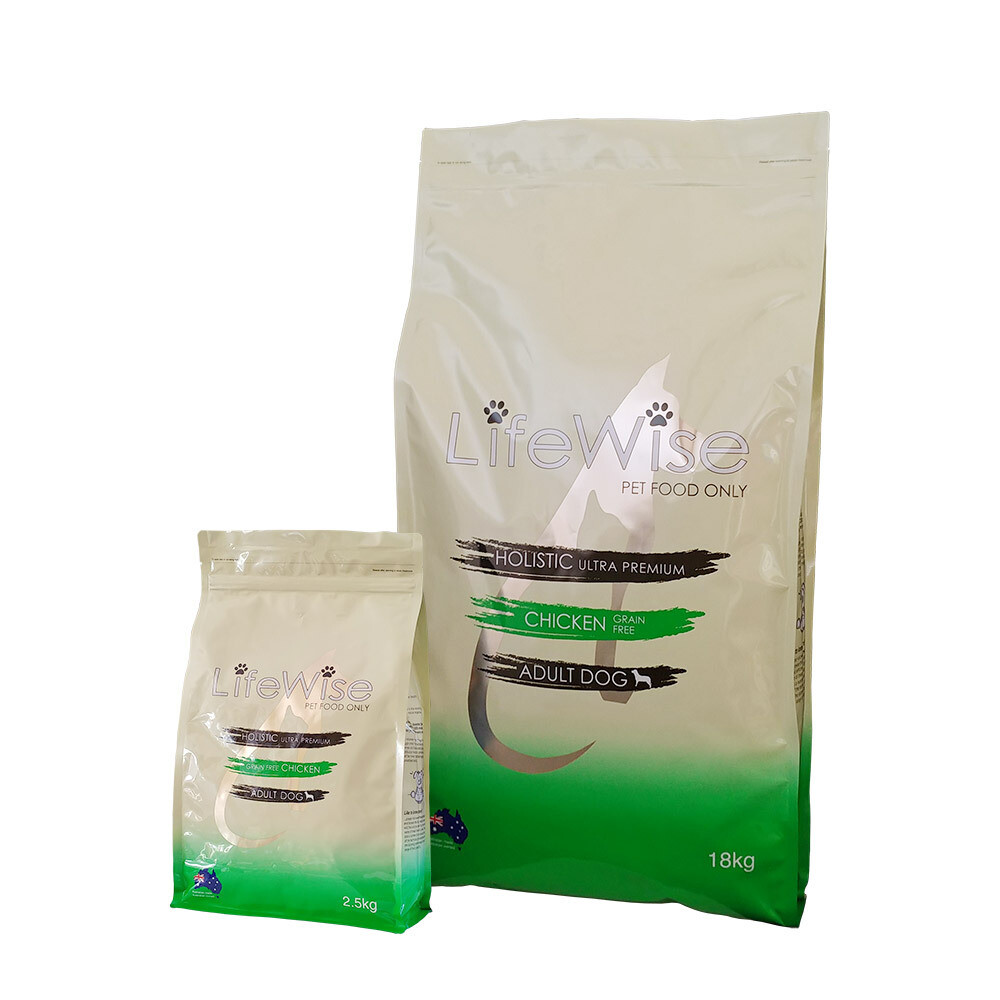
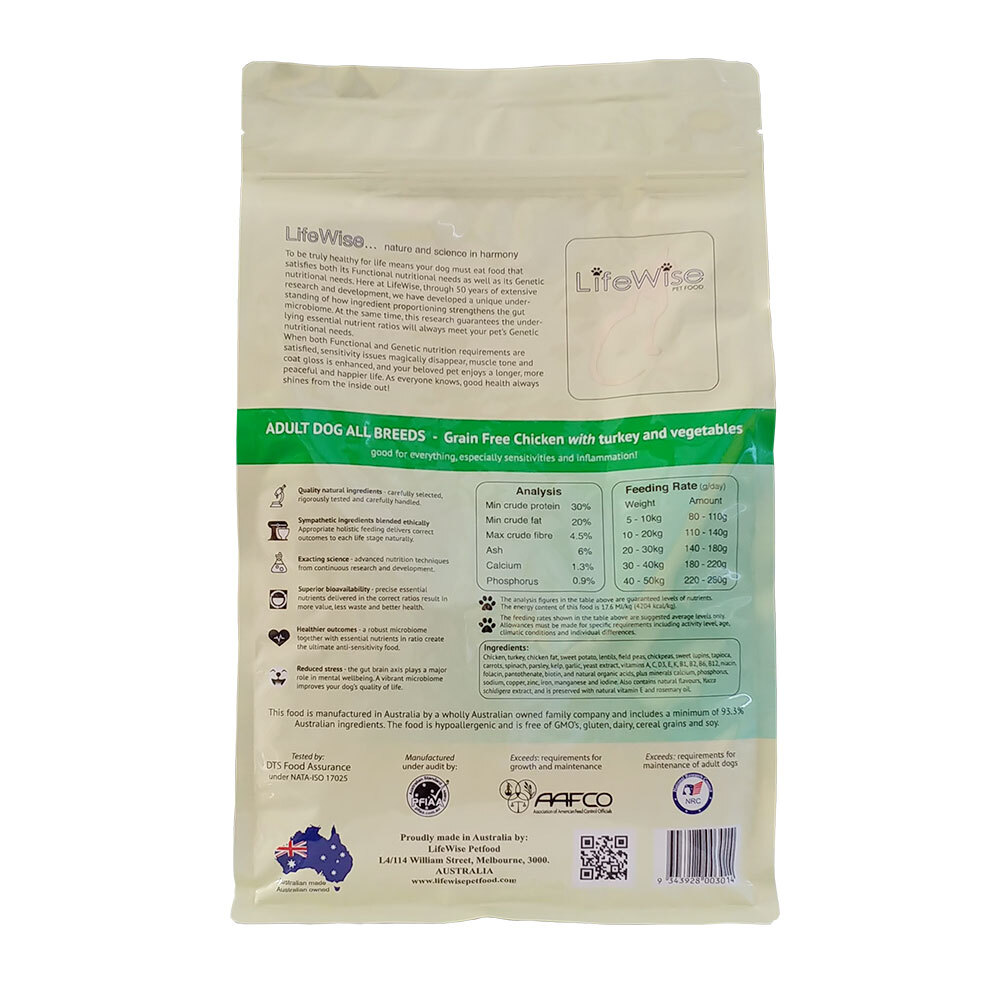
LifeWise - Adult Dog - GRAIN FREE - Chicken
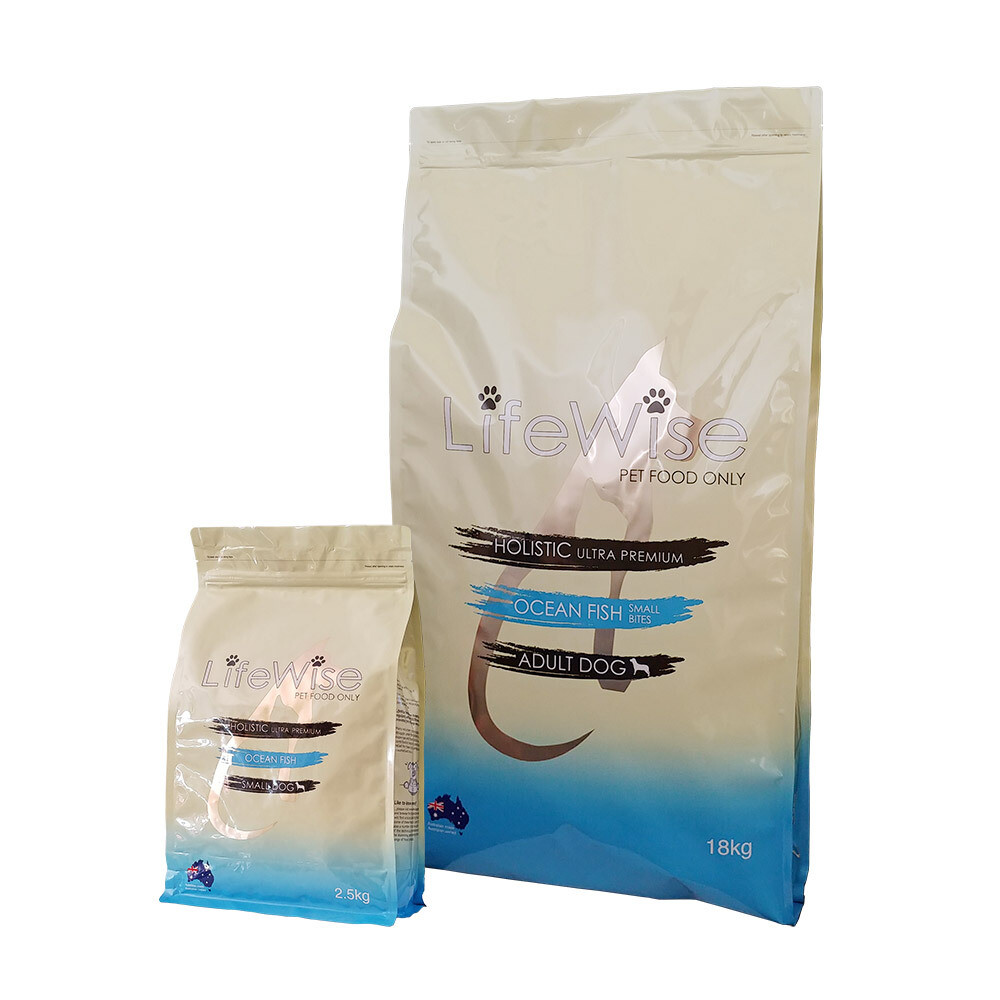
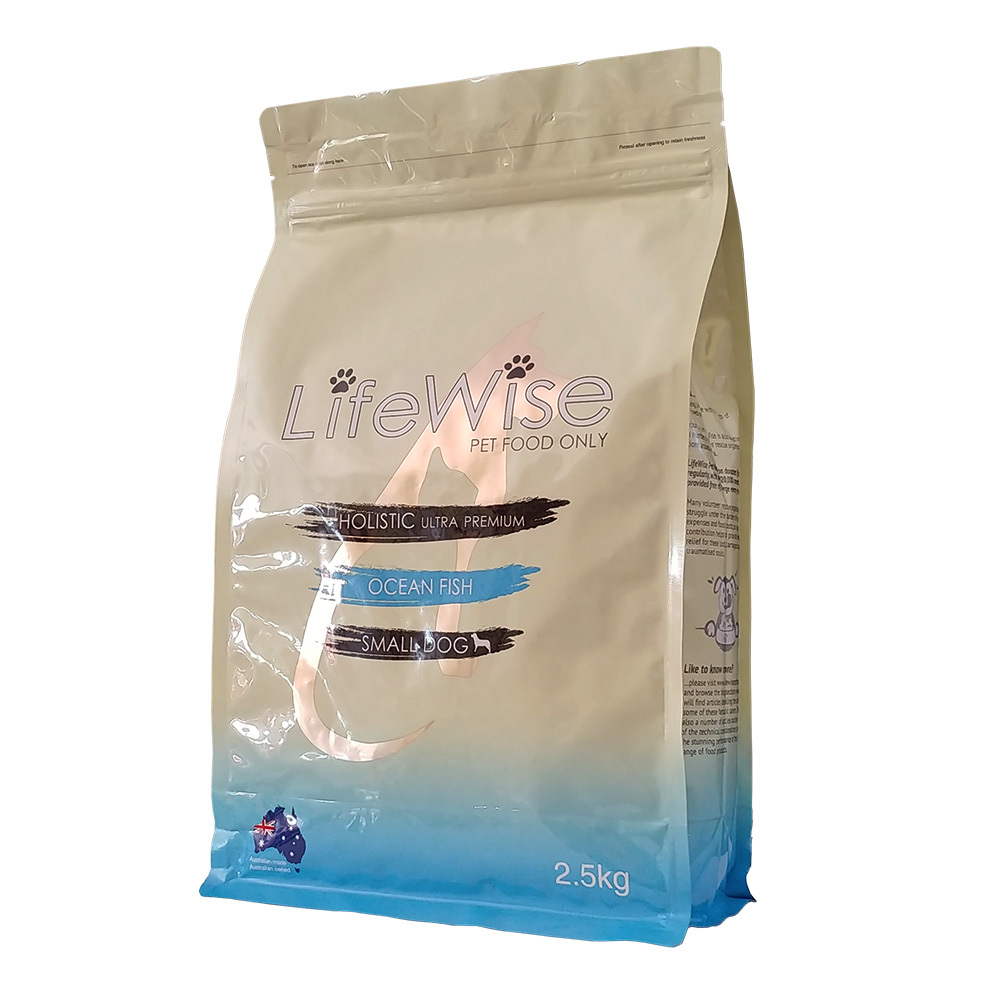
LifeWise - Adult Dog - Ocean Fish - Small Bites
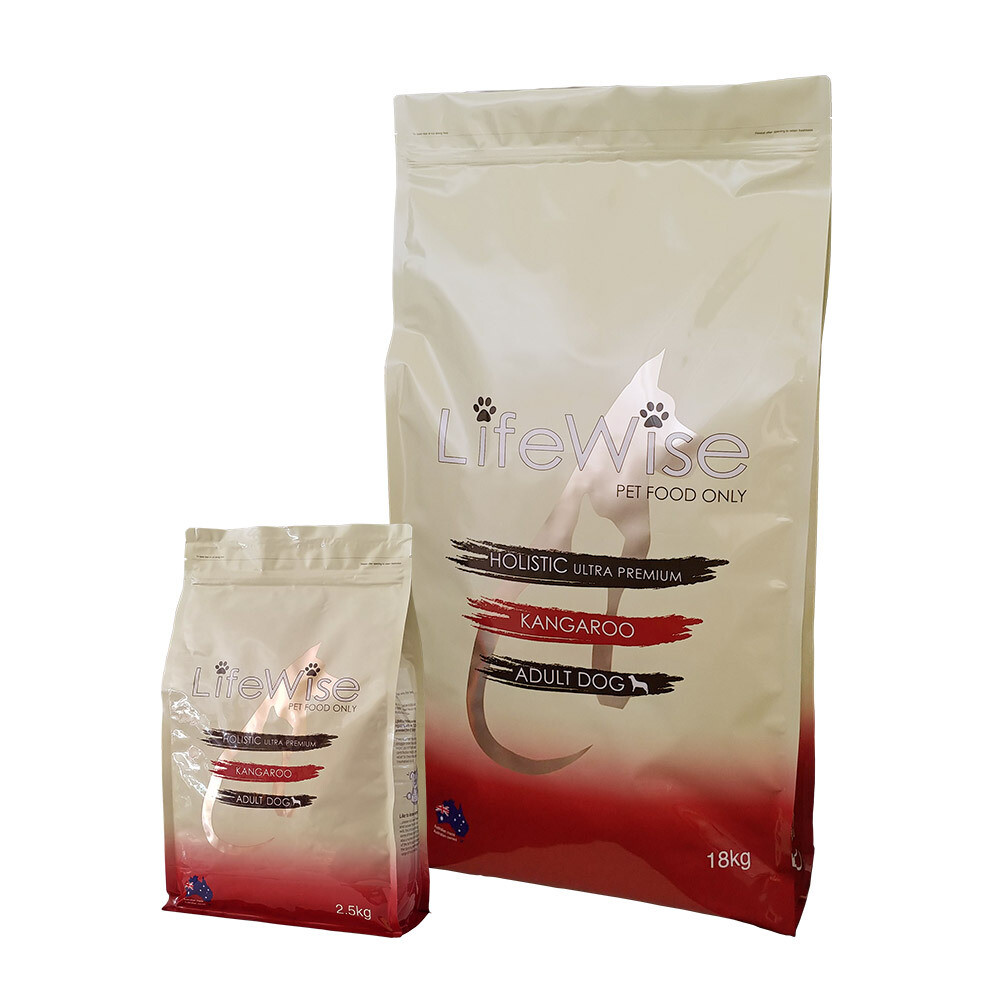
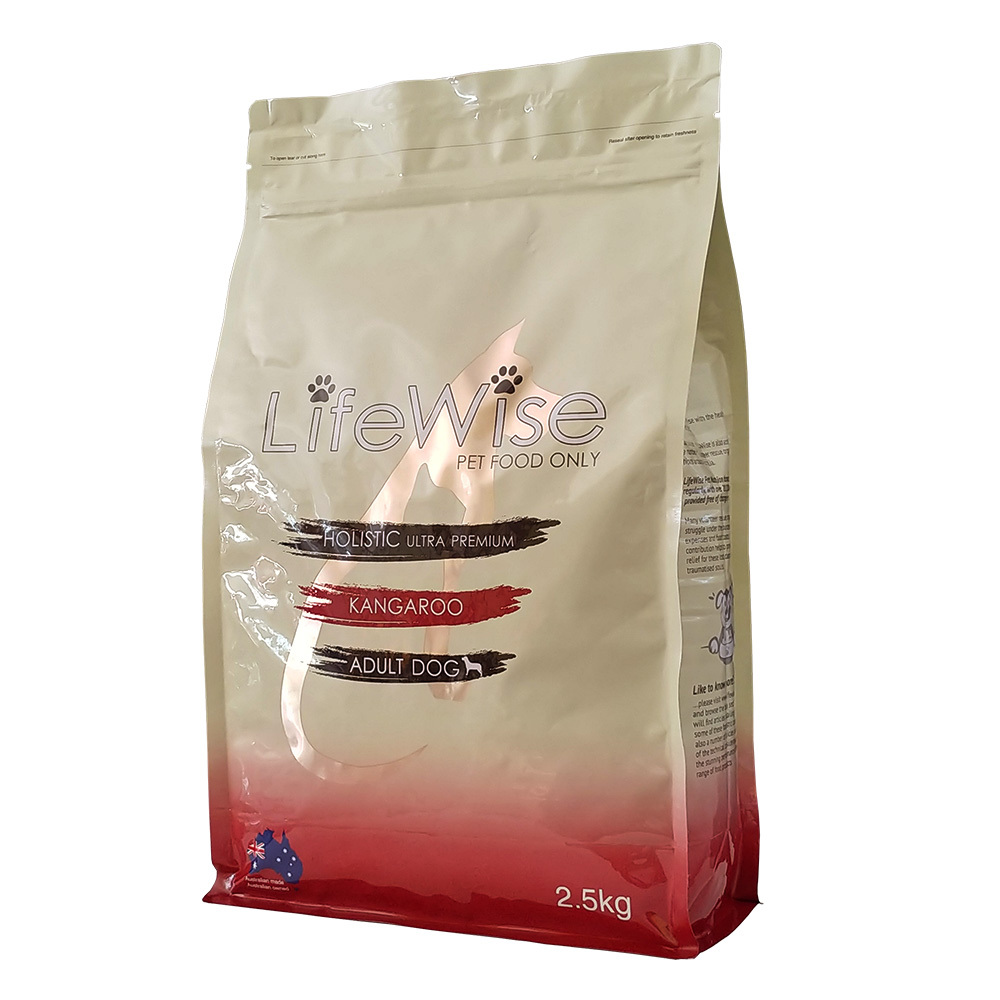
LifeWise - Adult Dog - Kangaroo
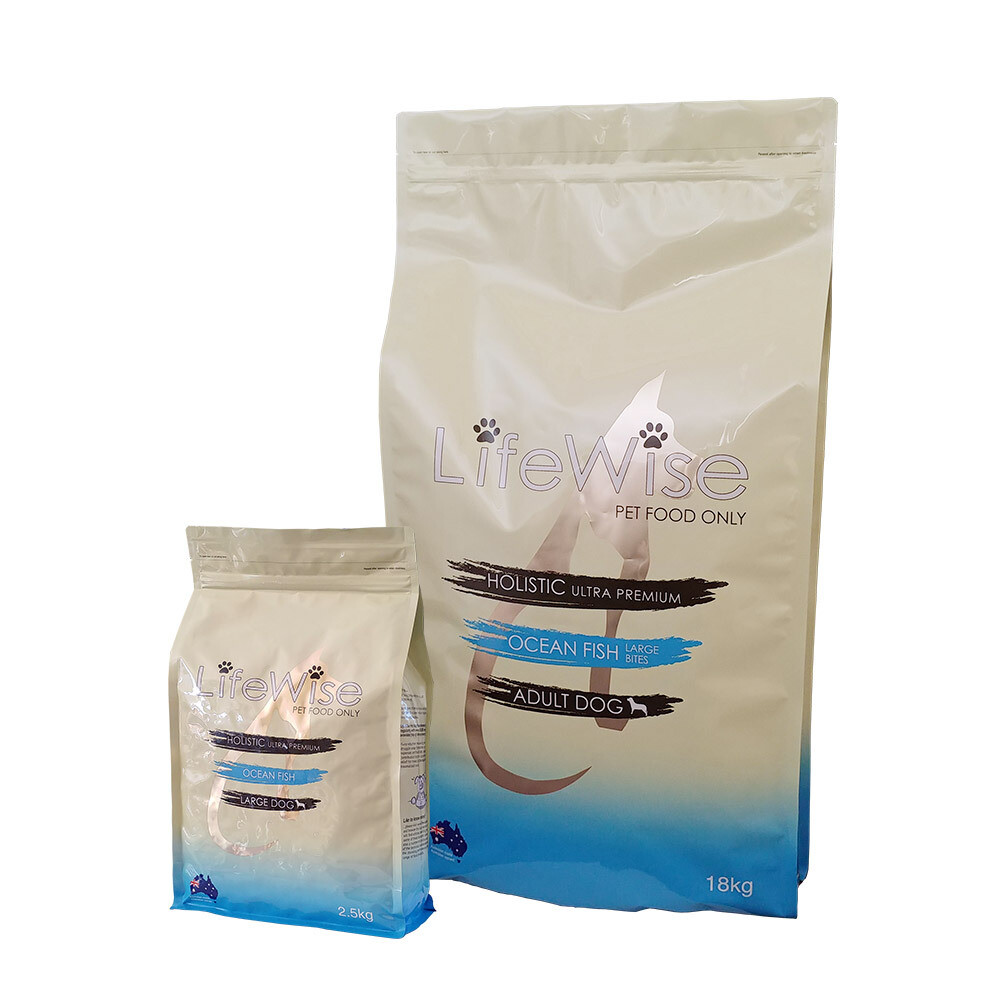
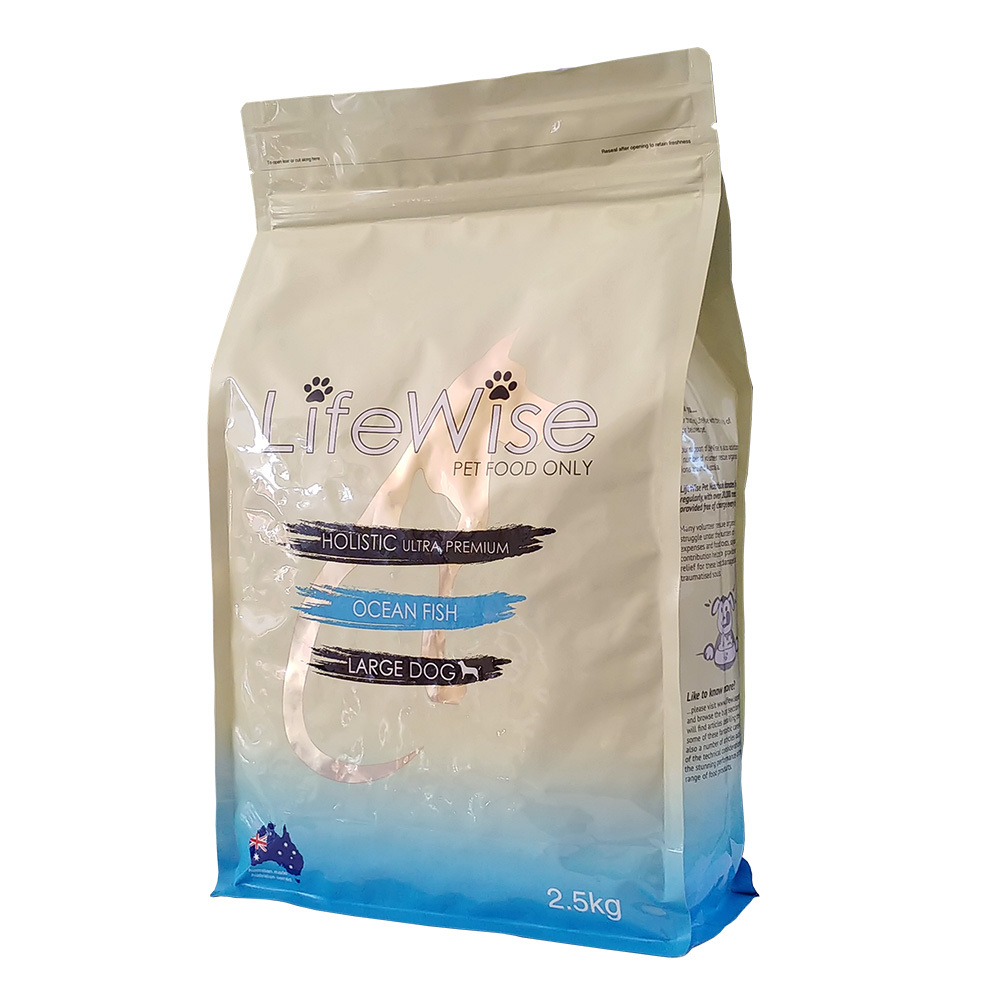
LifeWise - Adult Dog - Ocean Fish - Large Bites
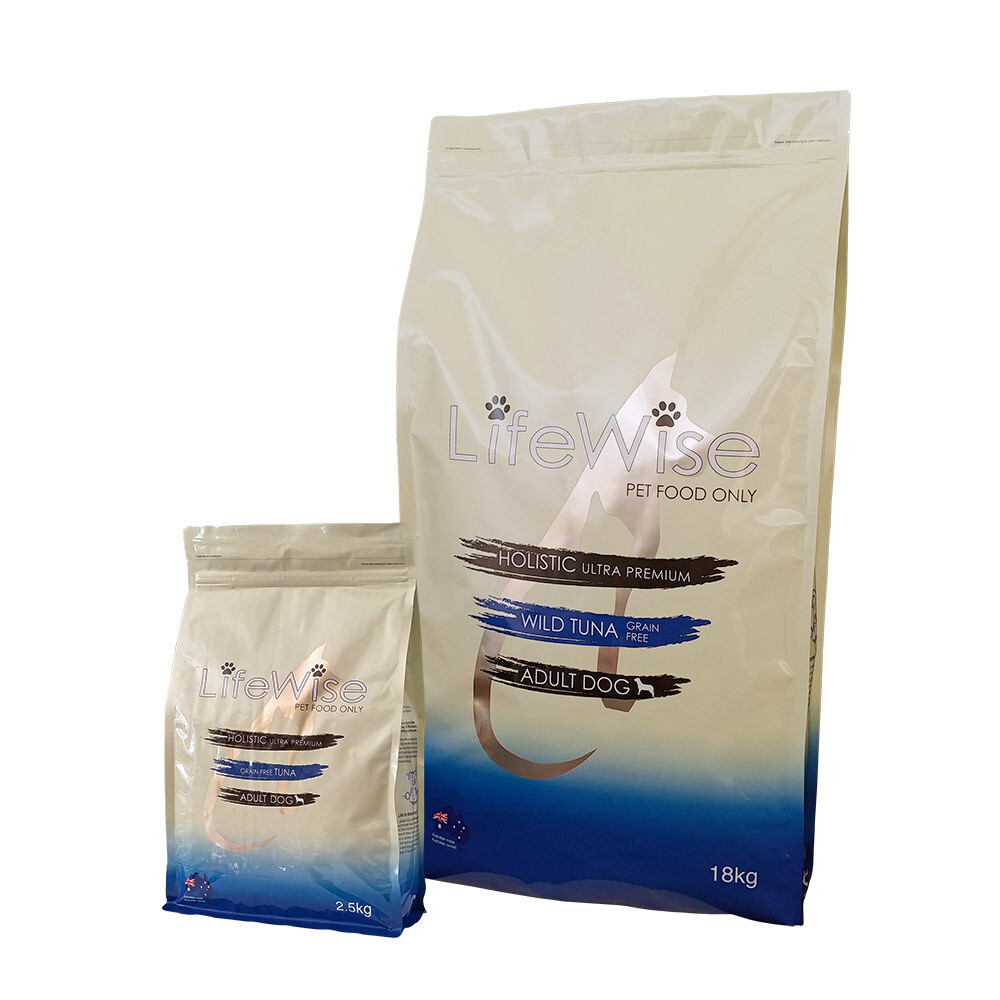
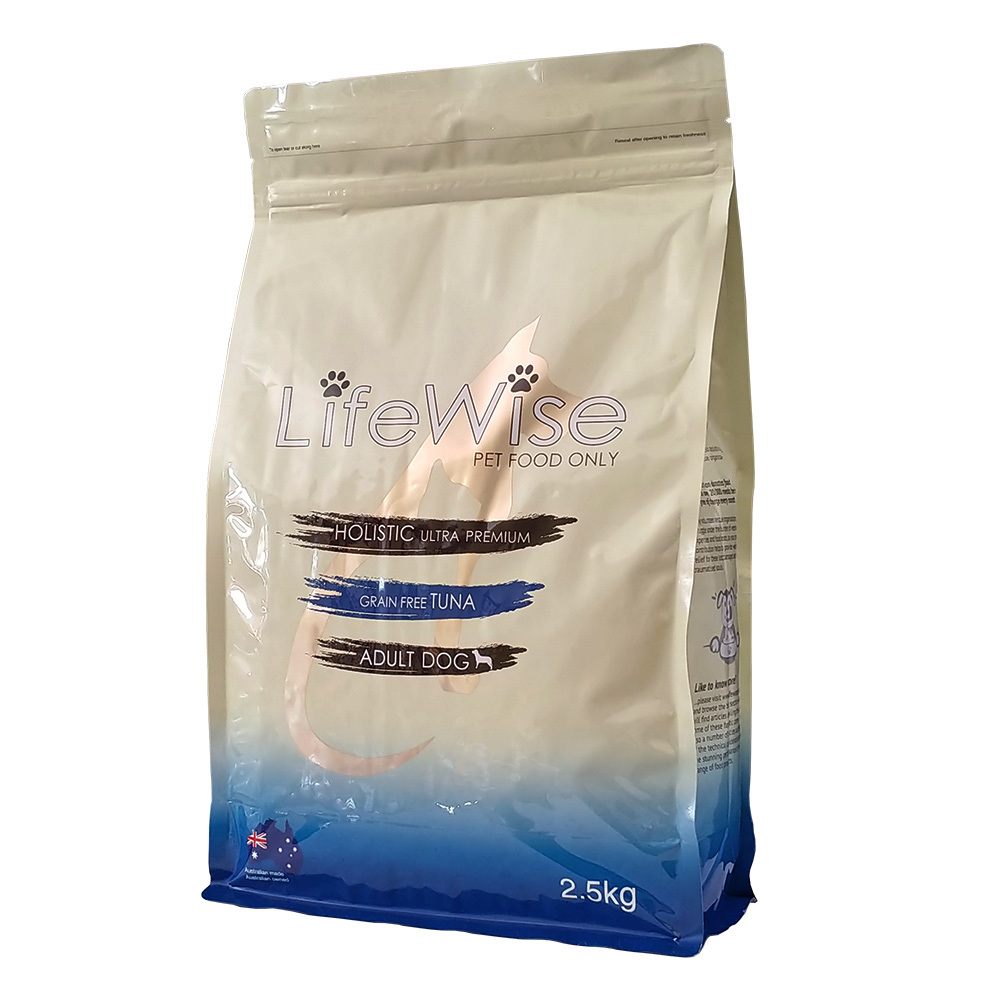
LifeWise - Adult Dog - GRAIN FREE - Wild Tuna
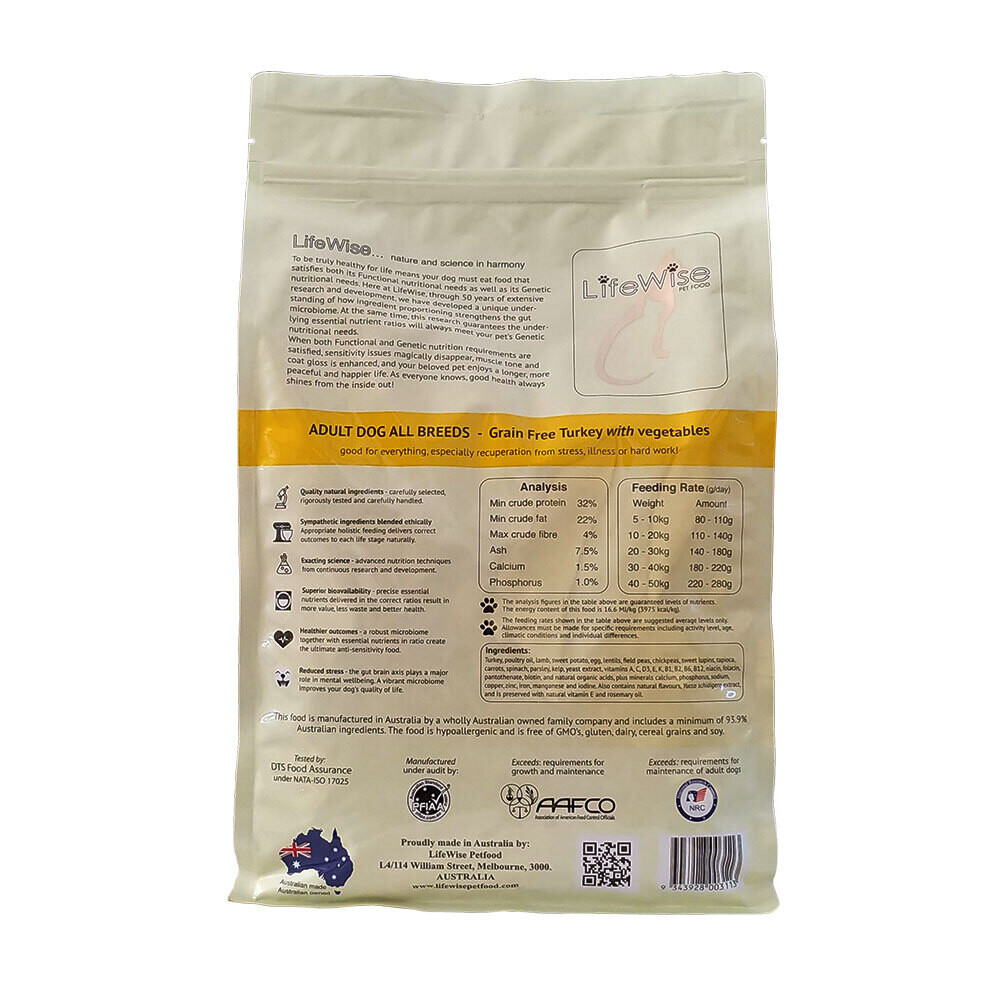
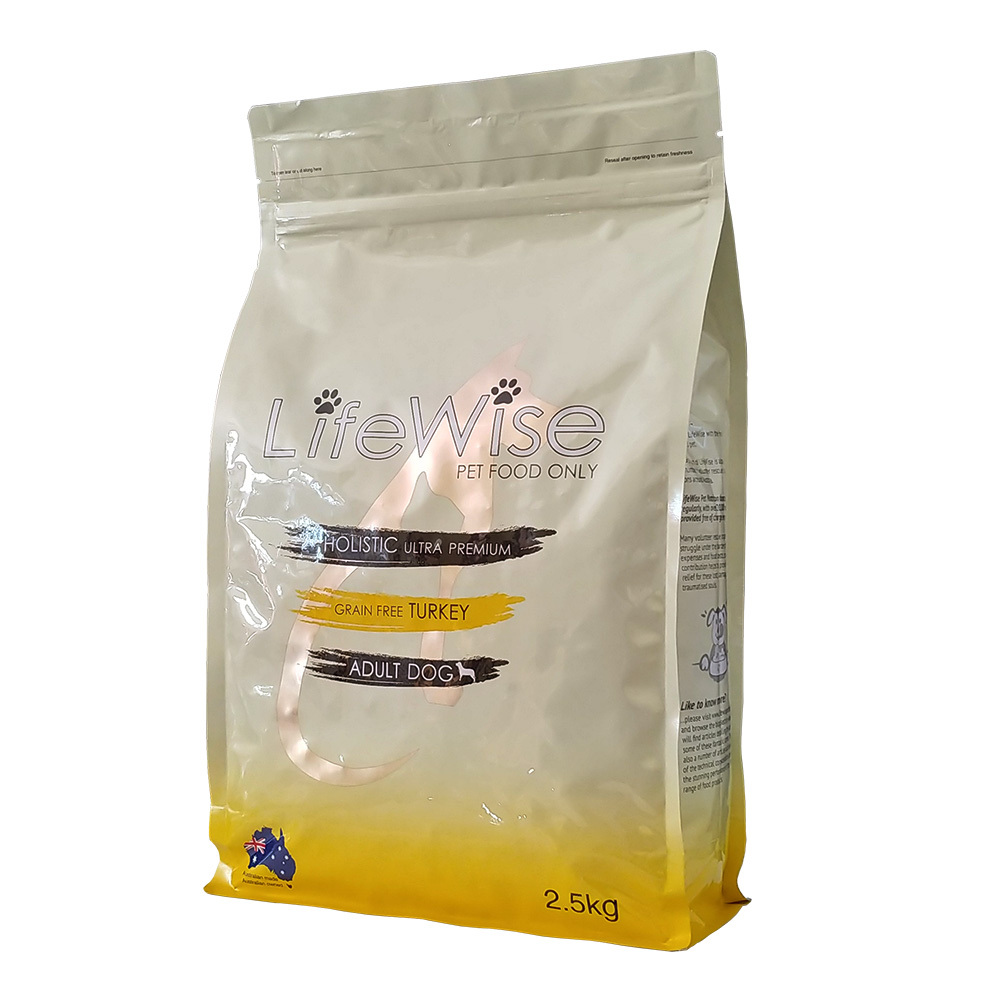
LifeWise - Adult Dog - GRAIN FREE - Turkey
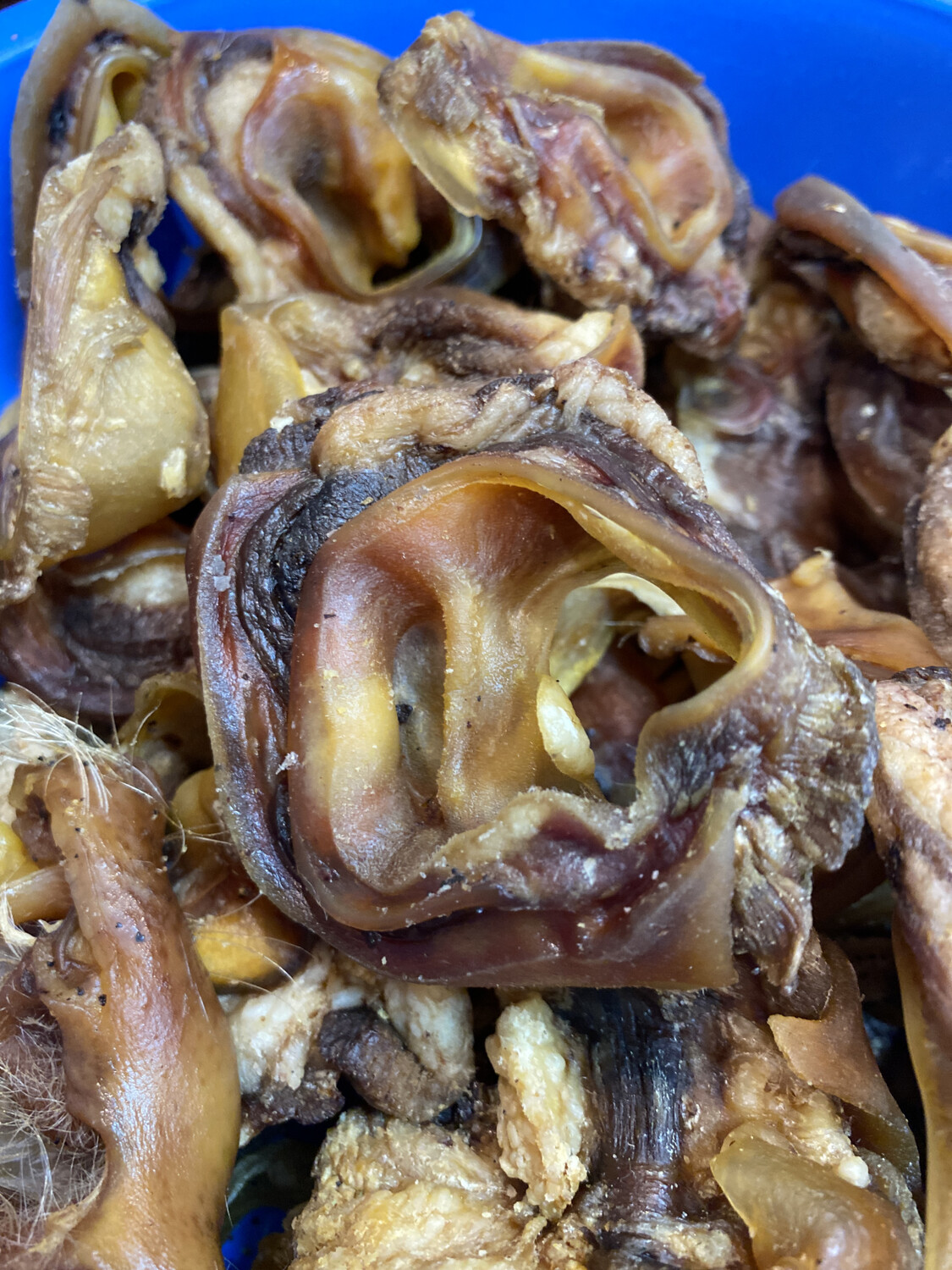
Beef Earings
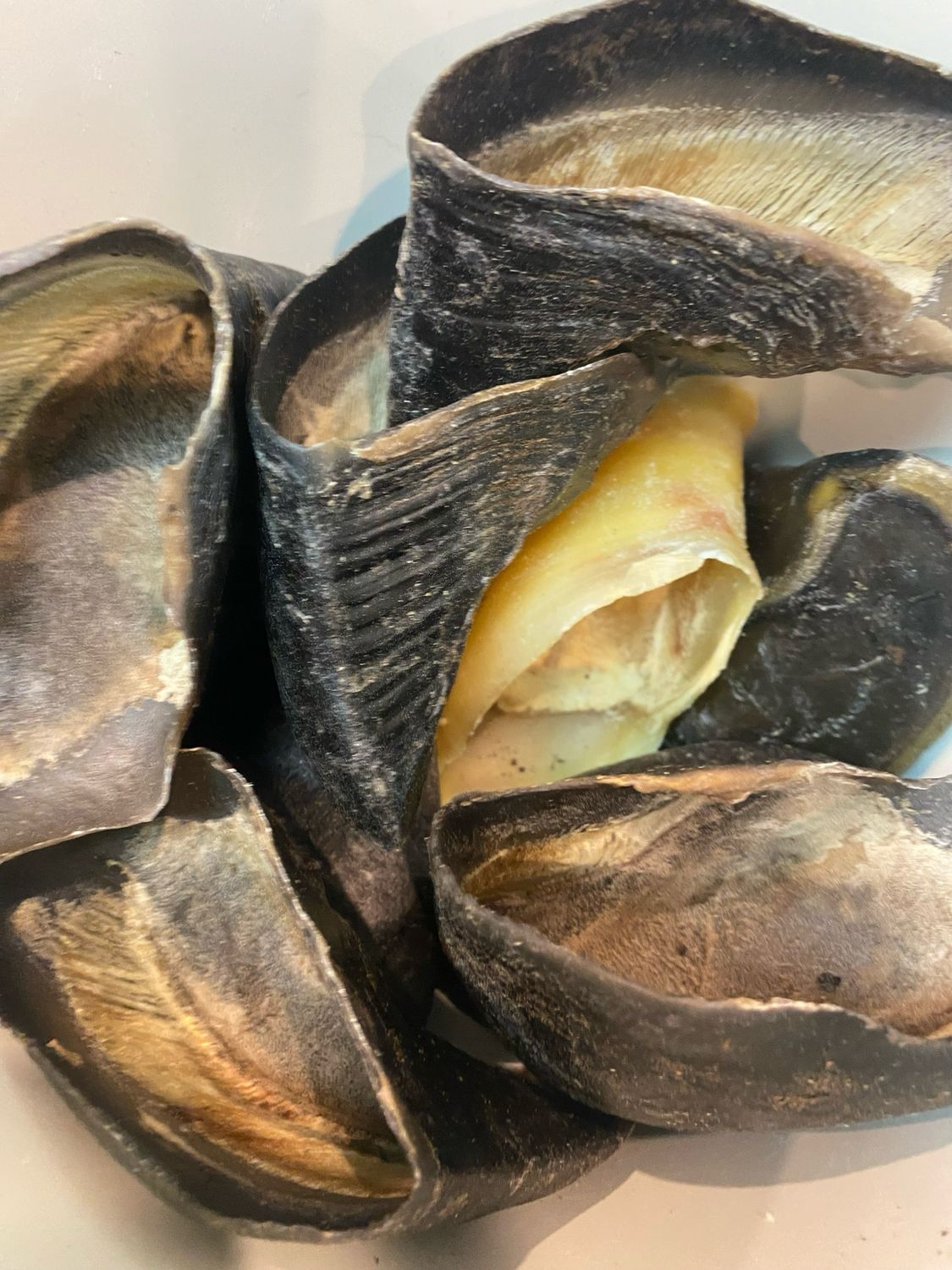
Stuffed Cow Hoofs (Made Fresh On Request)
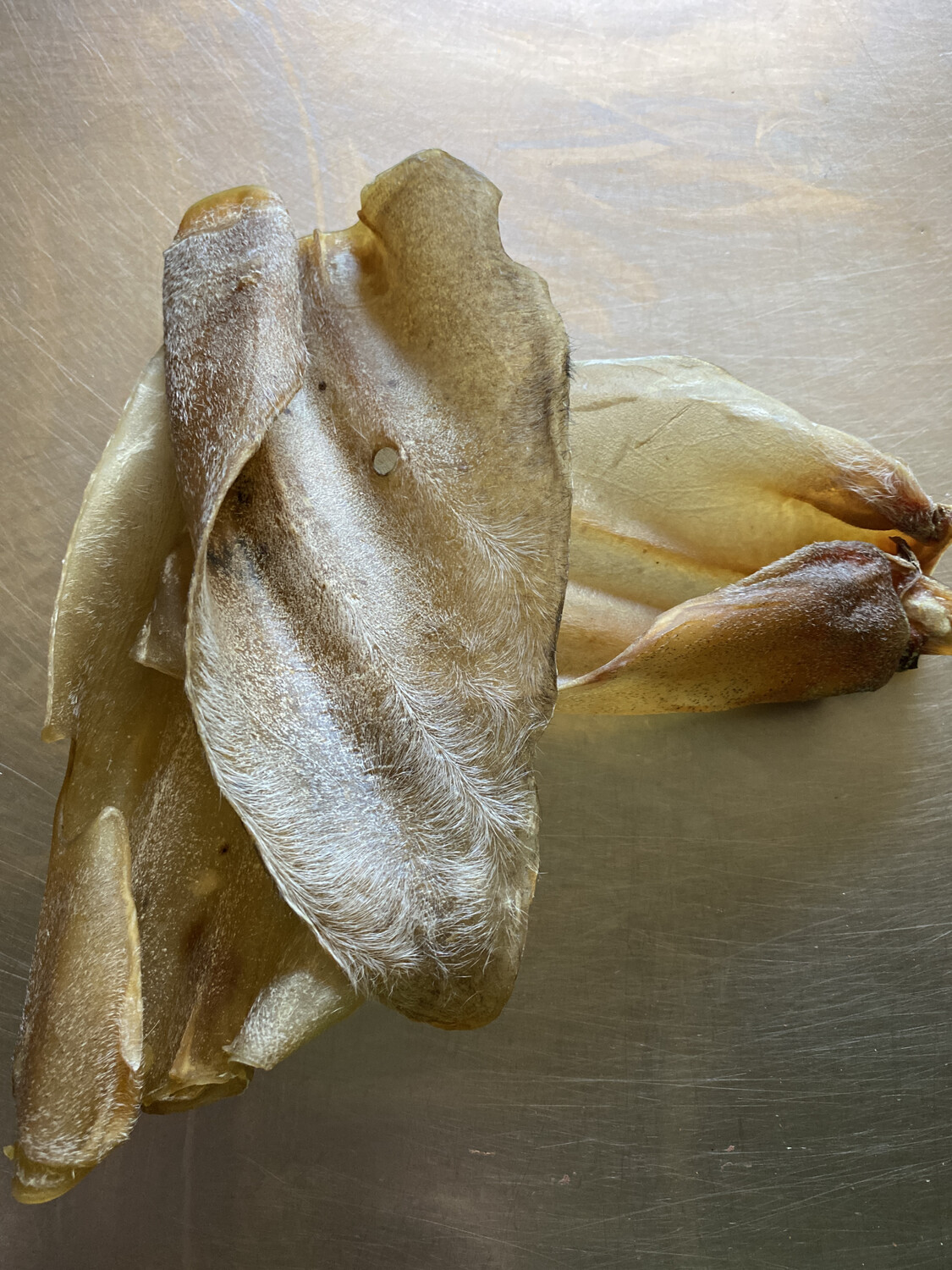
Beef Ears - Dried
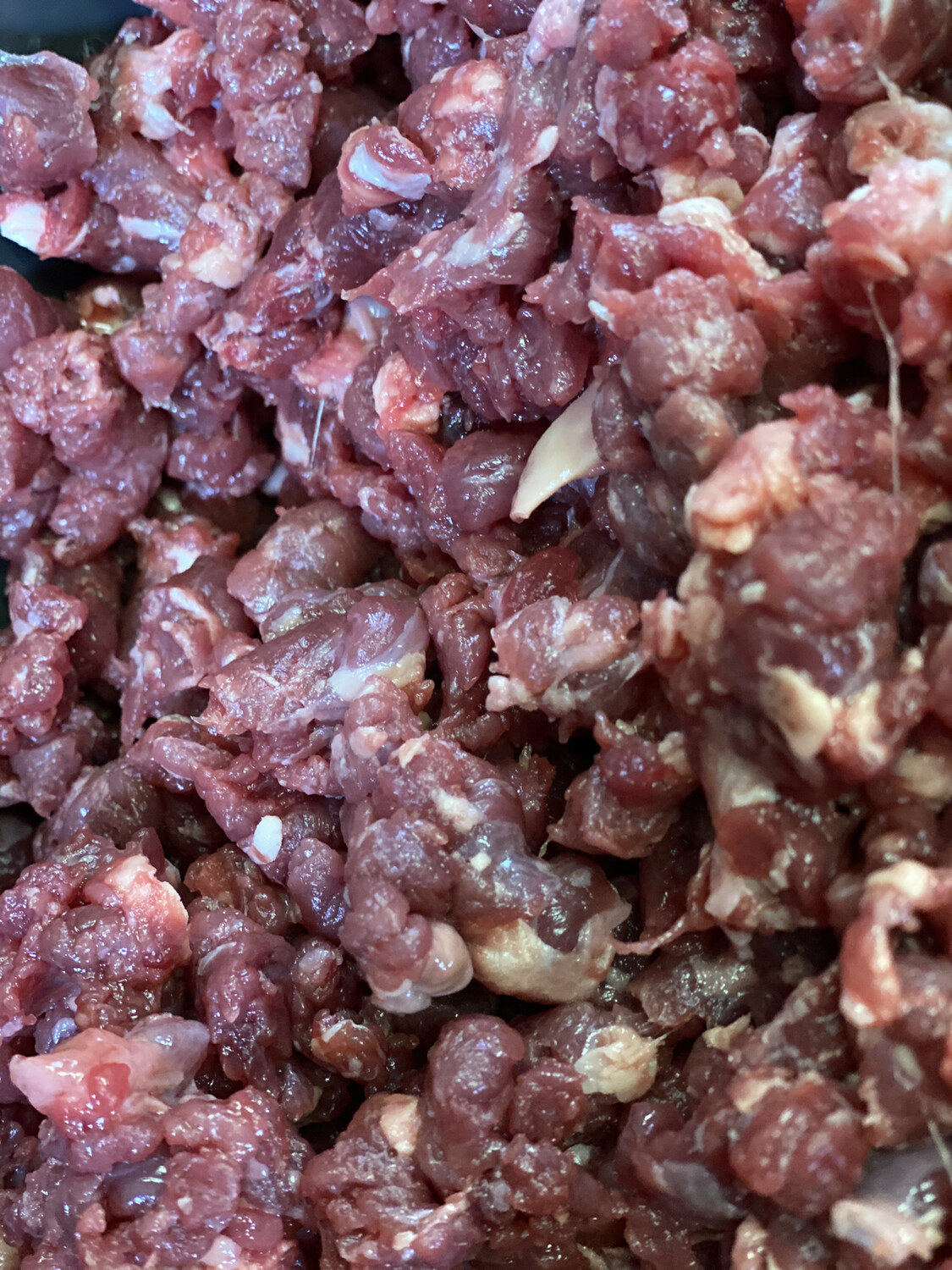
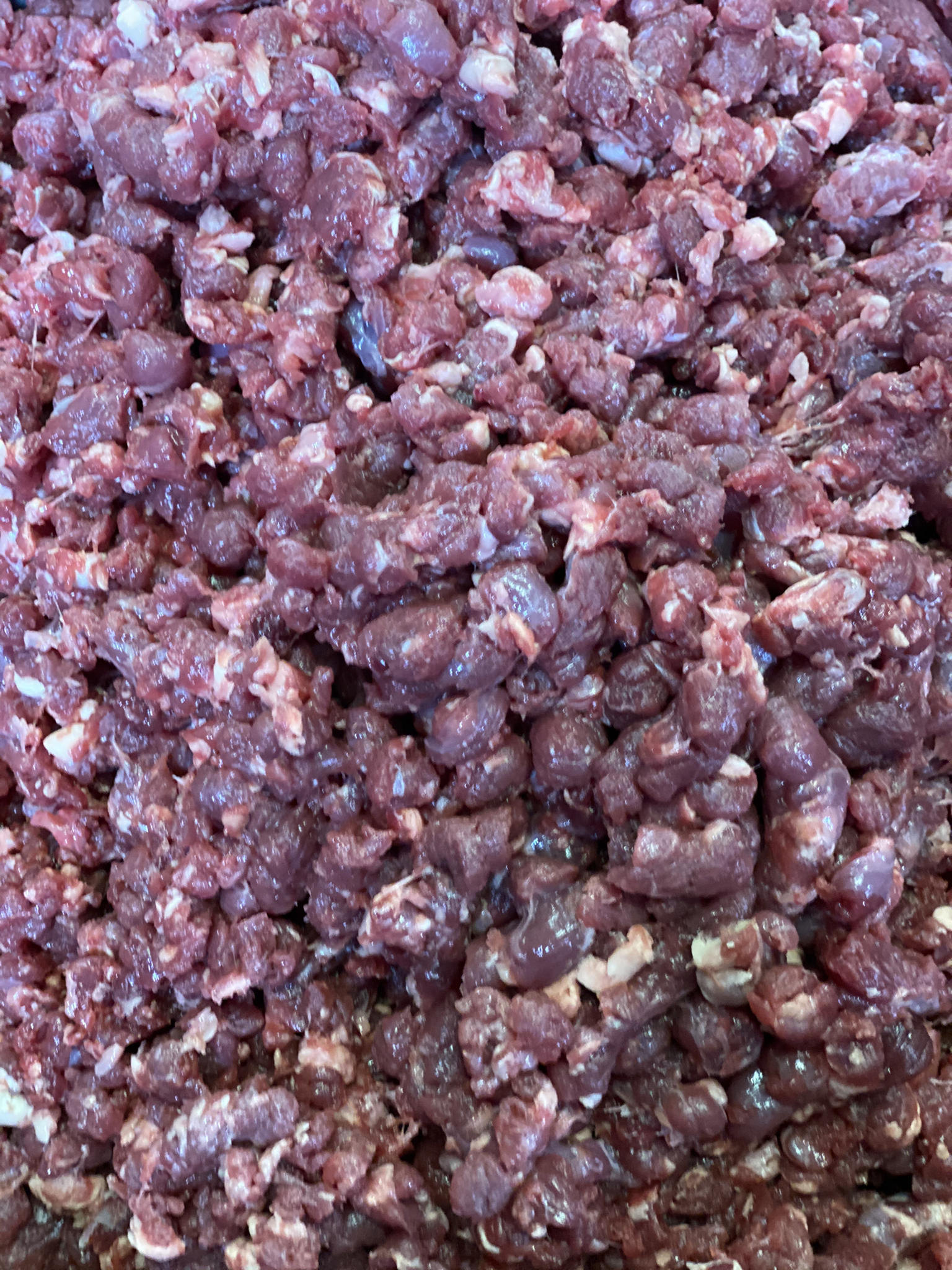
Venison Mince
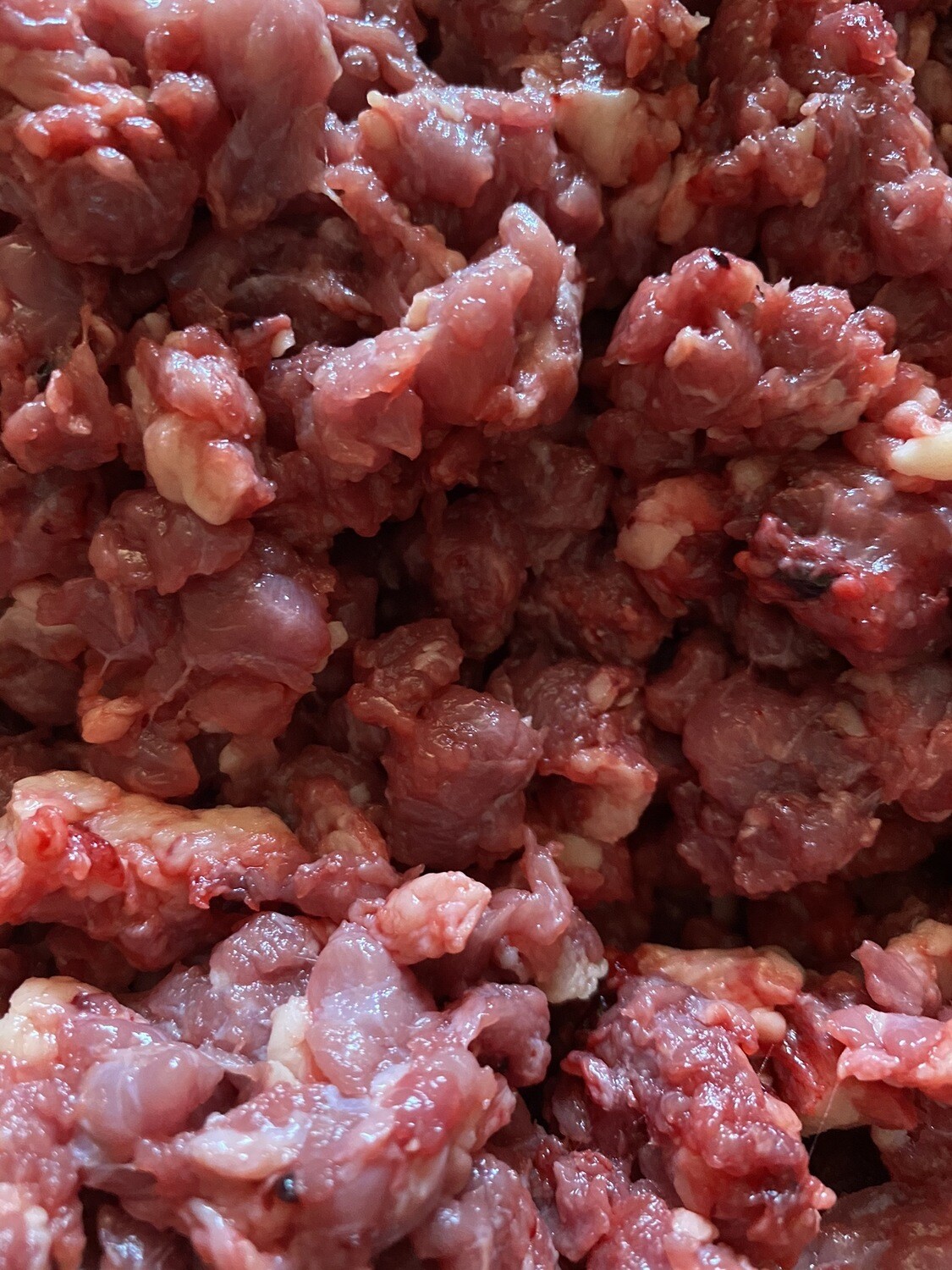
Venison Mince Barf (Fresh Wednesday/Thursday/Friday)

Venison Trotters (Freeze Dried)
Shark Tails
Duck Mince 500gram
Dried Sardines
Venison Hearts
Venison Kidney
Wild Boar Mince
Buddy’s Birthday Pooch Pack (Made To Order)
Hemp Oil
Hemp Meal
Wild Boar Barf
Turkey Mince (500gm) Fresh Friday
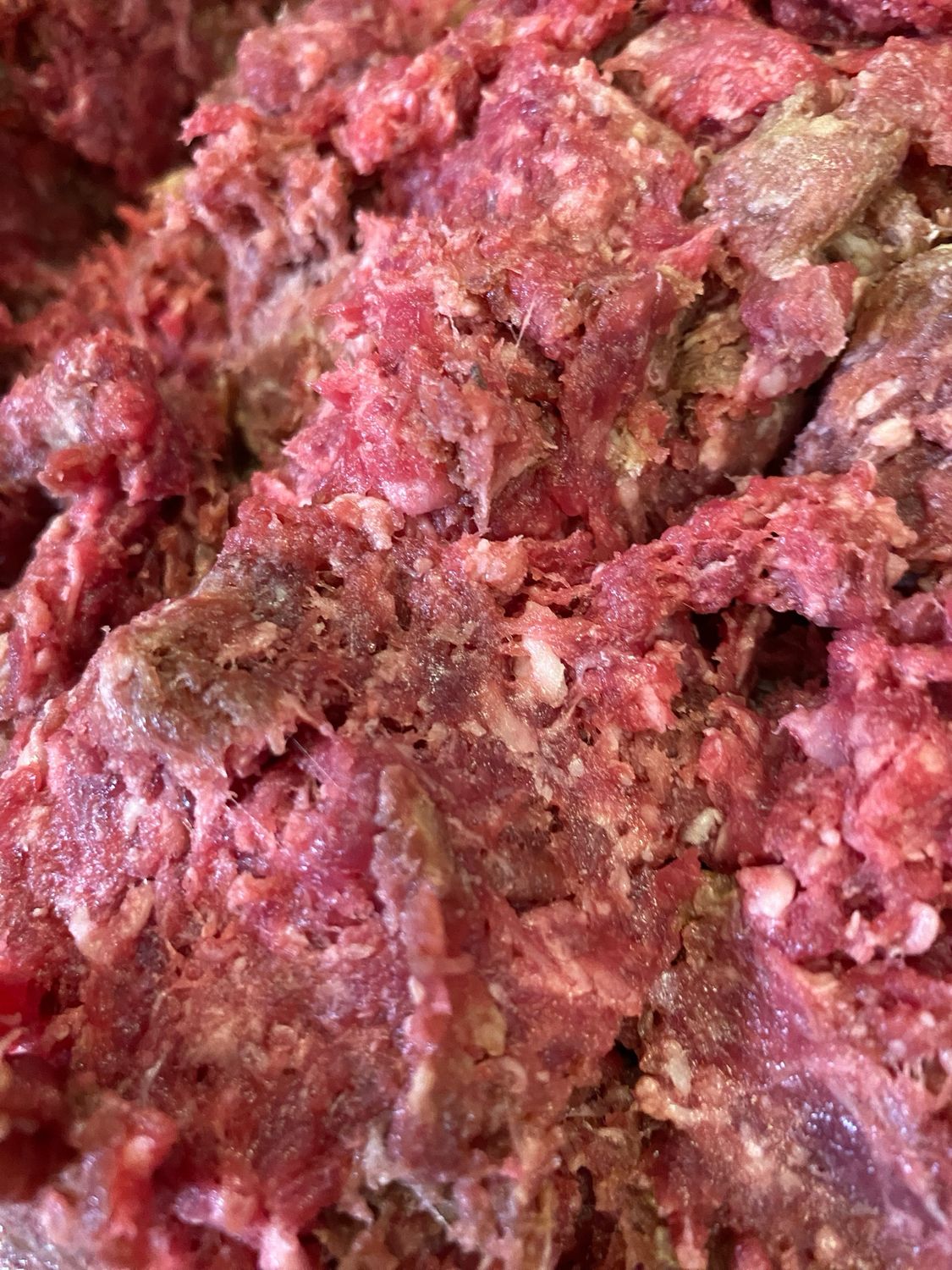
Kangaroo Mince
Venison Chunks (Fresh)
Chicken Wings
Chicken Necks (12kg Bulk Box) Fresh
Chicken Frames (10kg Bulk Box) Fresh
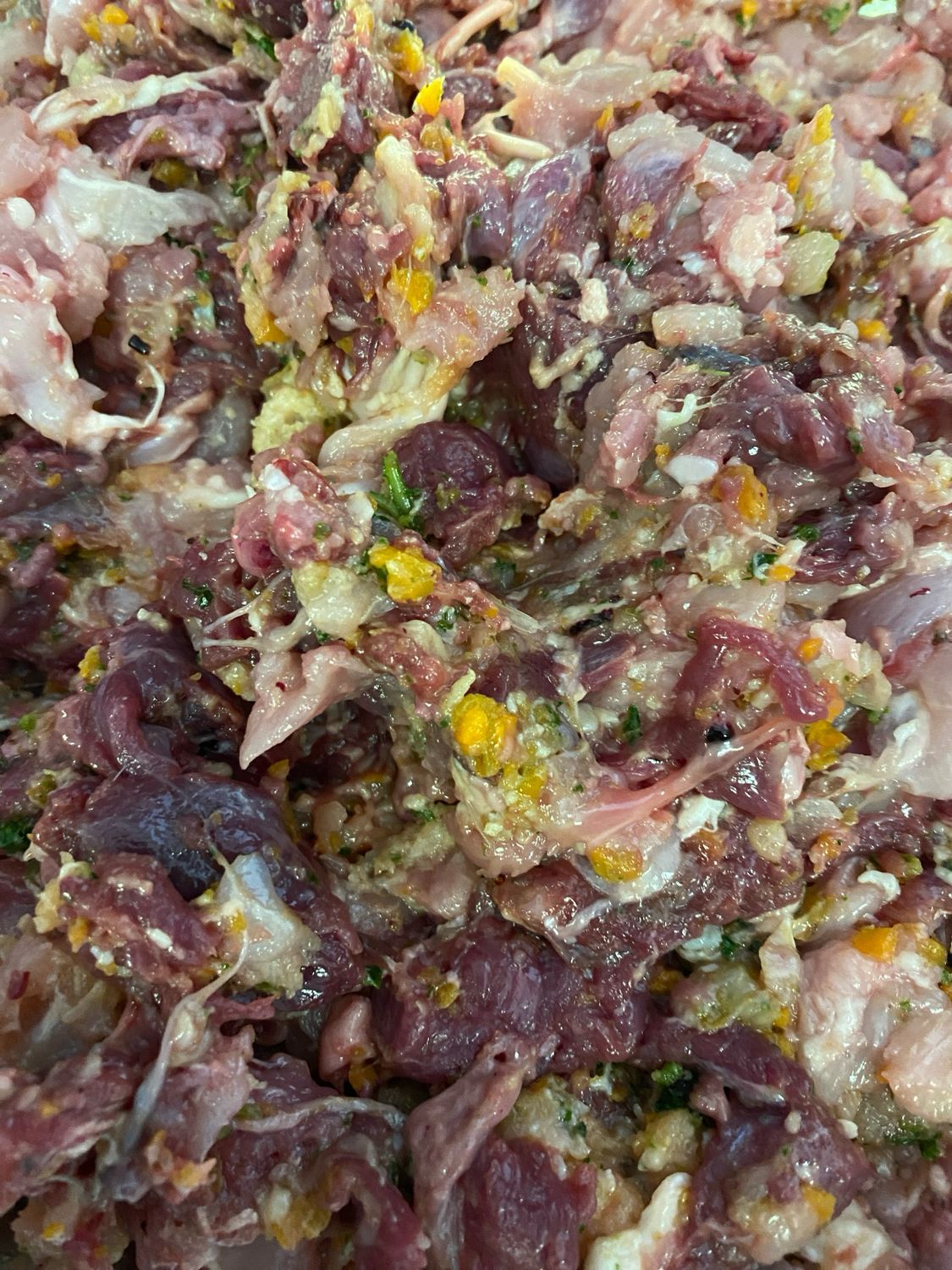
Kangaroo Mince & Chicken Fillet Barf (Fresh Wednesday/Thursday/Friday)
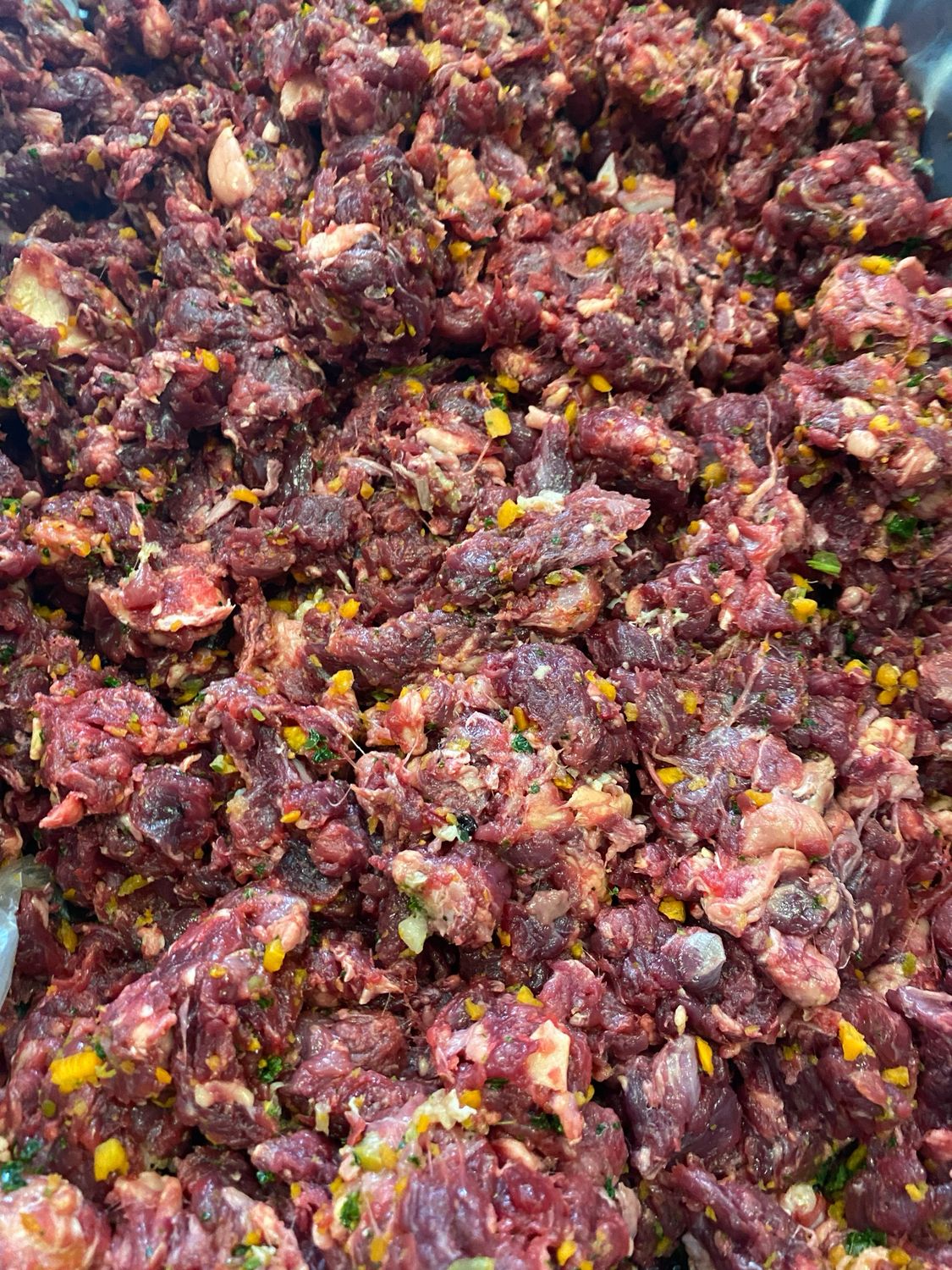
Beef Mince Barf (500gm)
Duck Barf
Venison Spleen
Venison Bone & Trotter (Dried)
Duck Barf (Bone In) Fresh Fridays
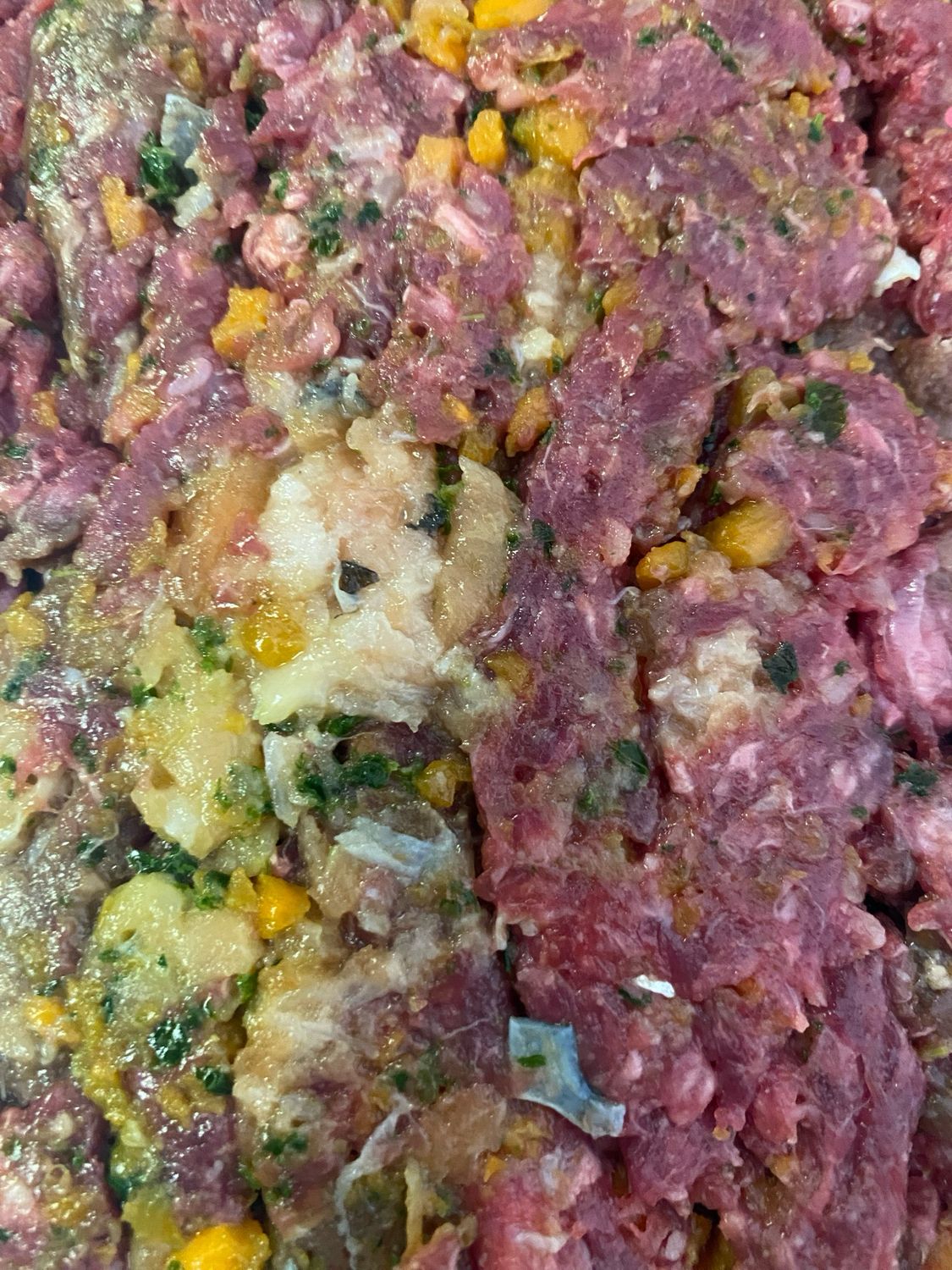
Kangaroo Mince Barf
Vension & Turkey Barf (1kg)
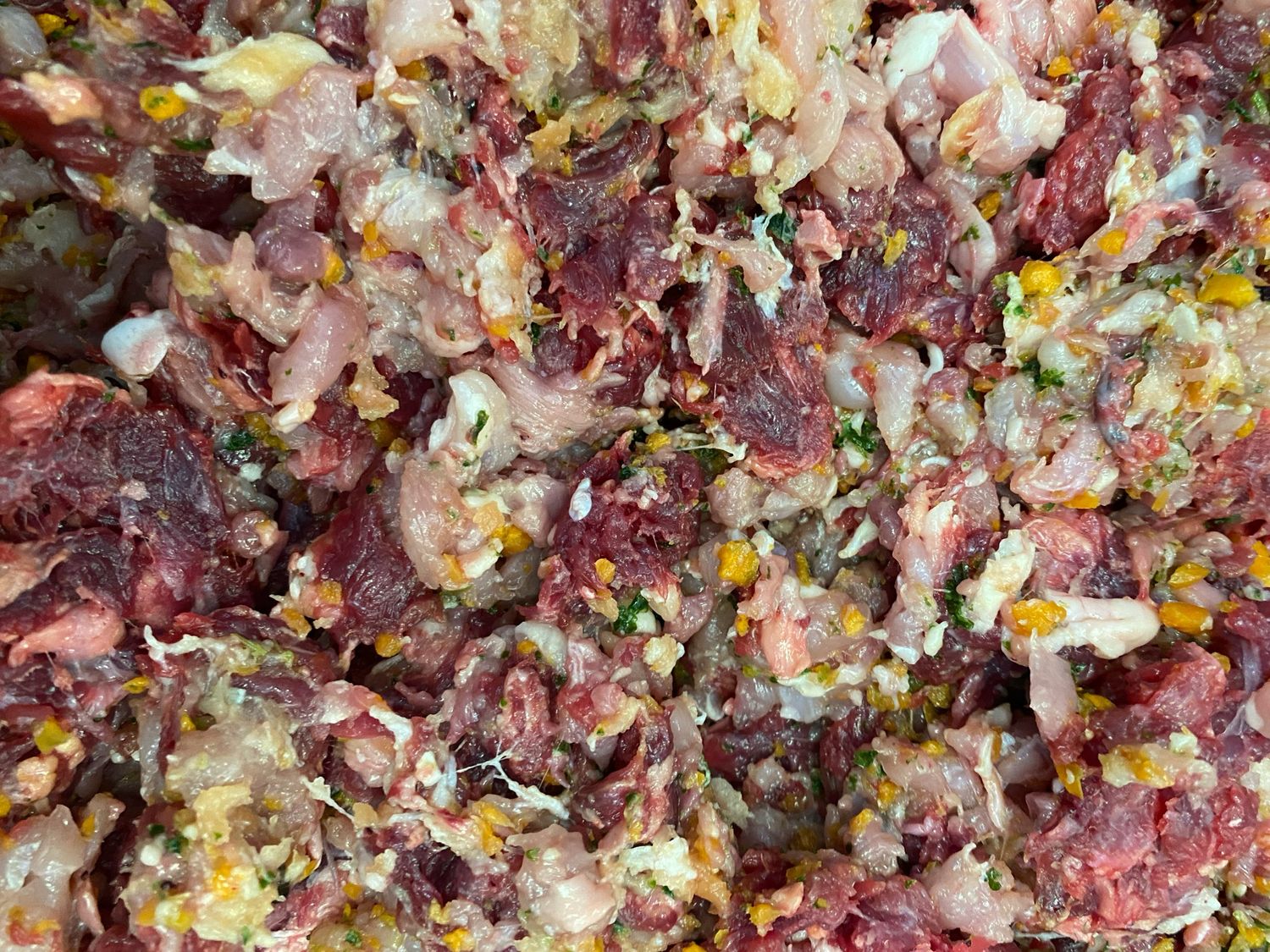
Beef & Chicken Fillet Barf
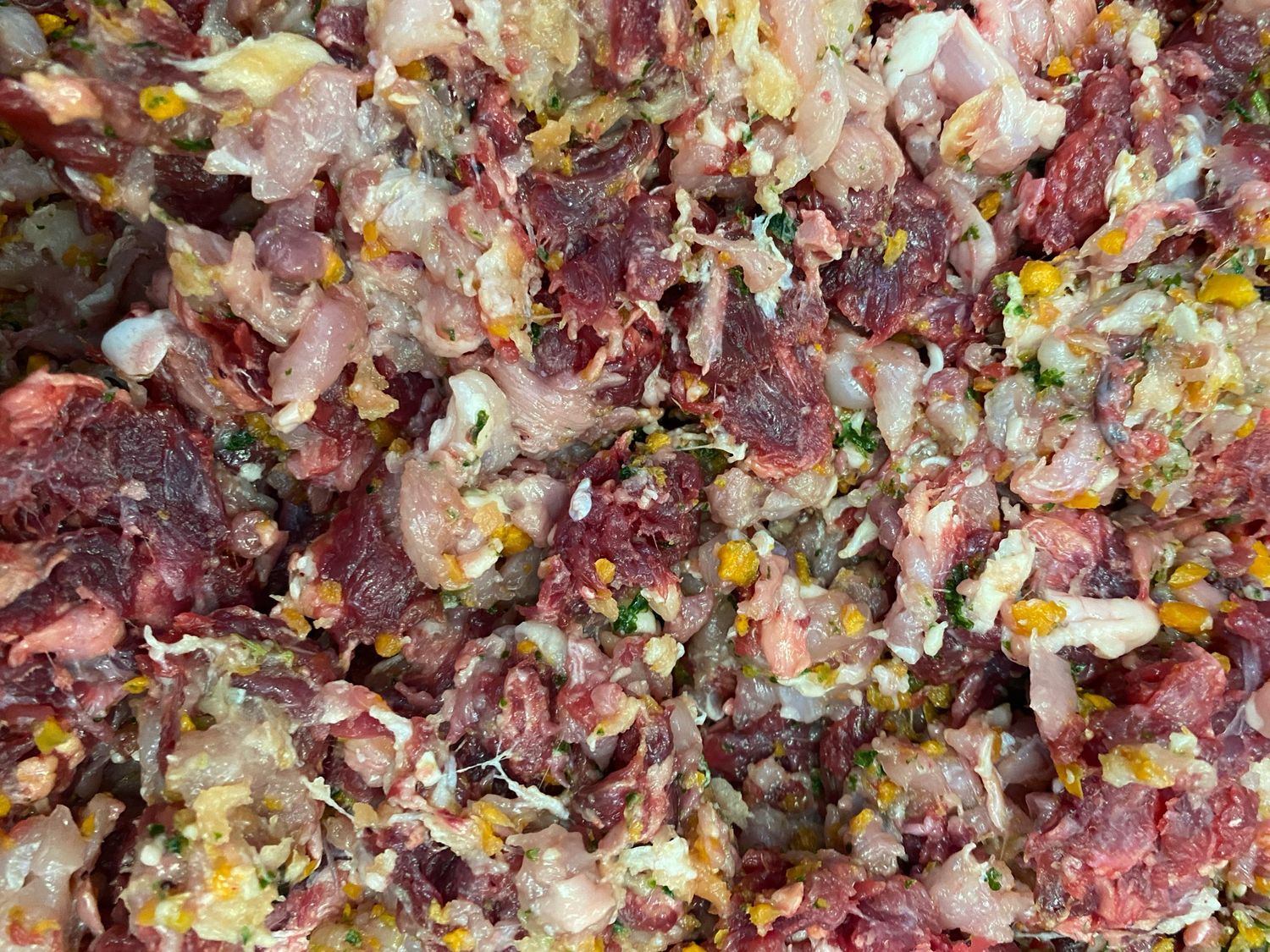
Beef Chunks Barf (500gm)
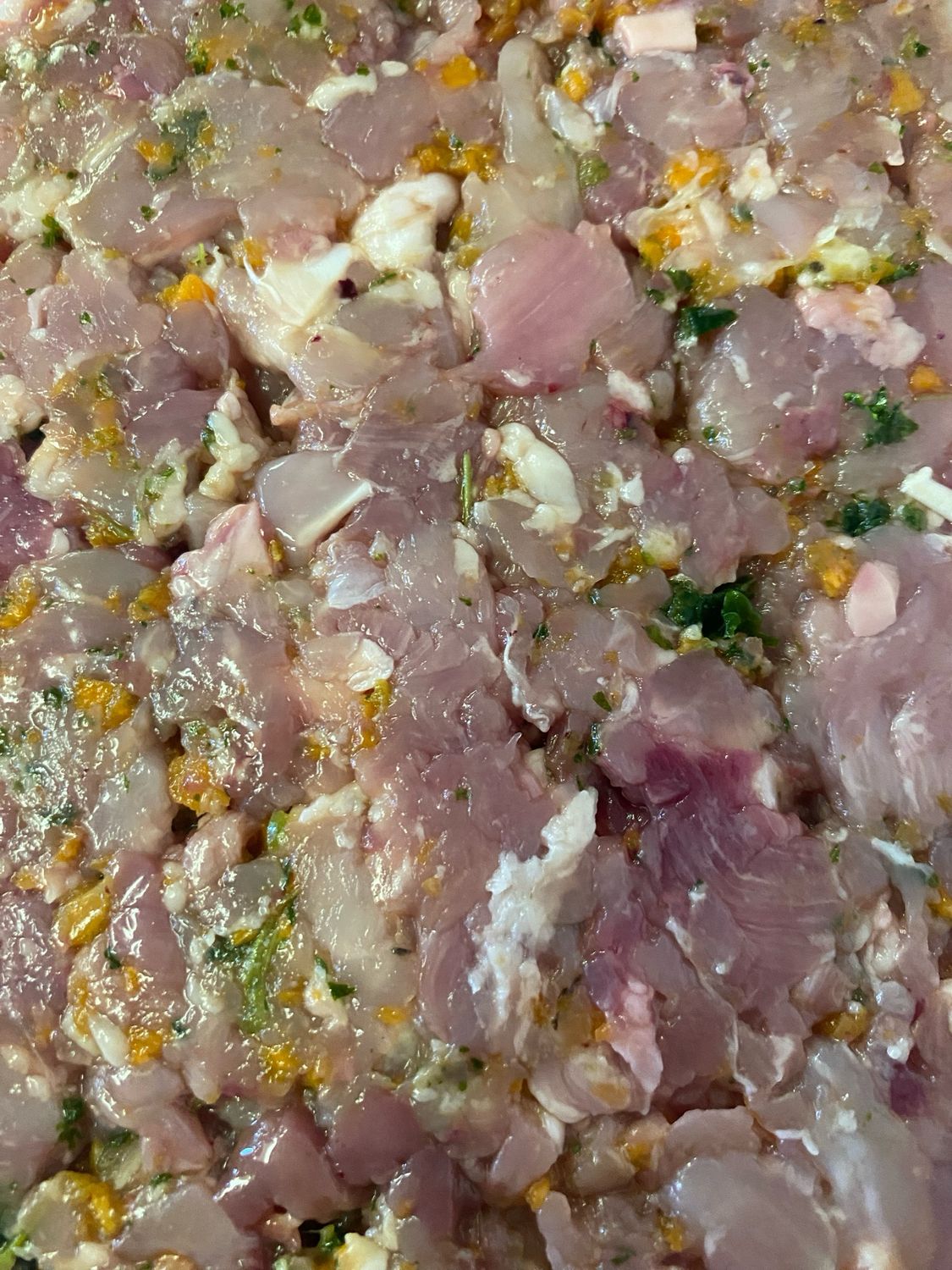
Chicken Fillet Barf Boneless (500gm)
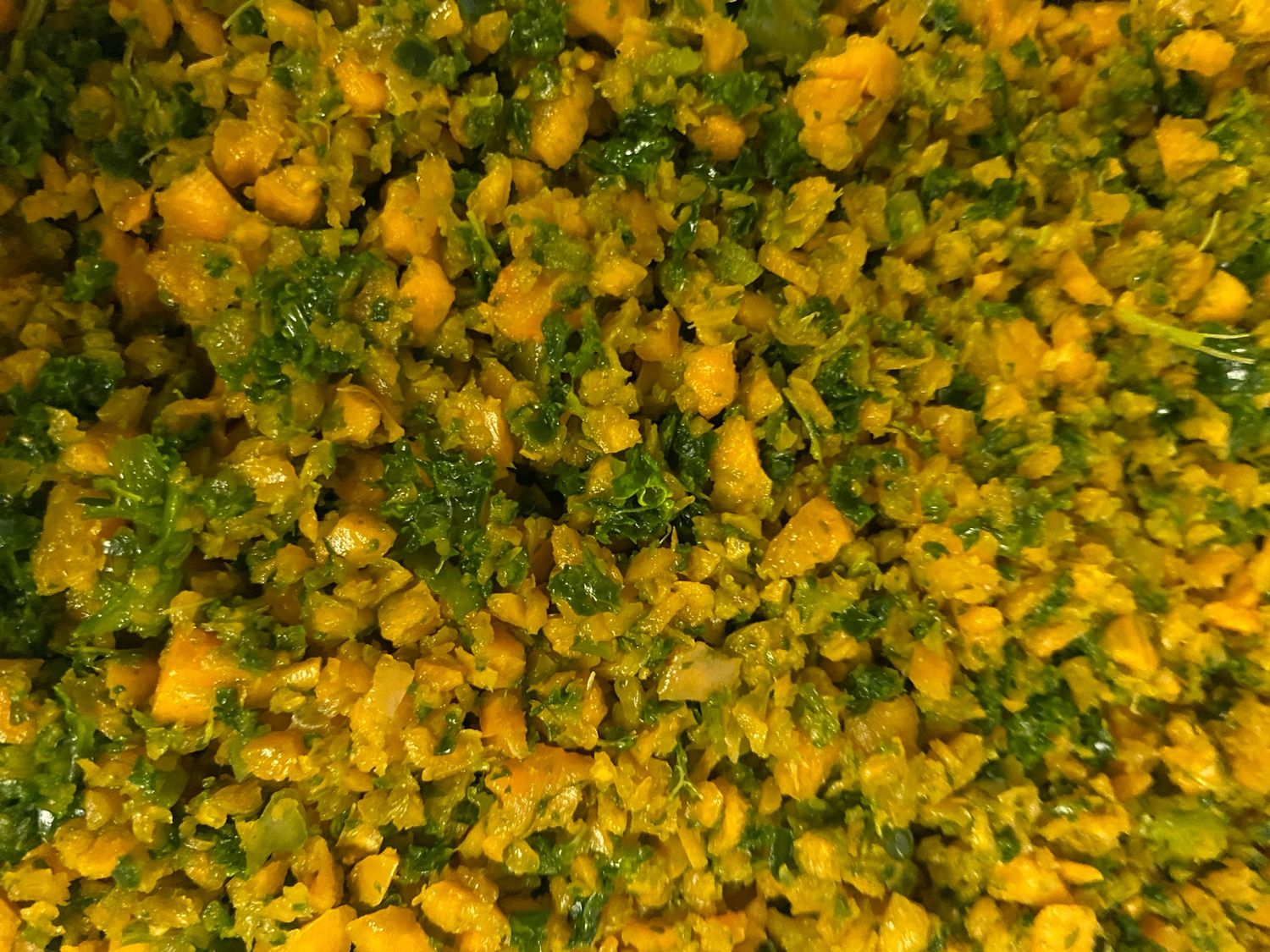
Fresh Vegetable Pack (Small)
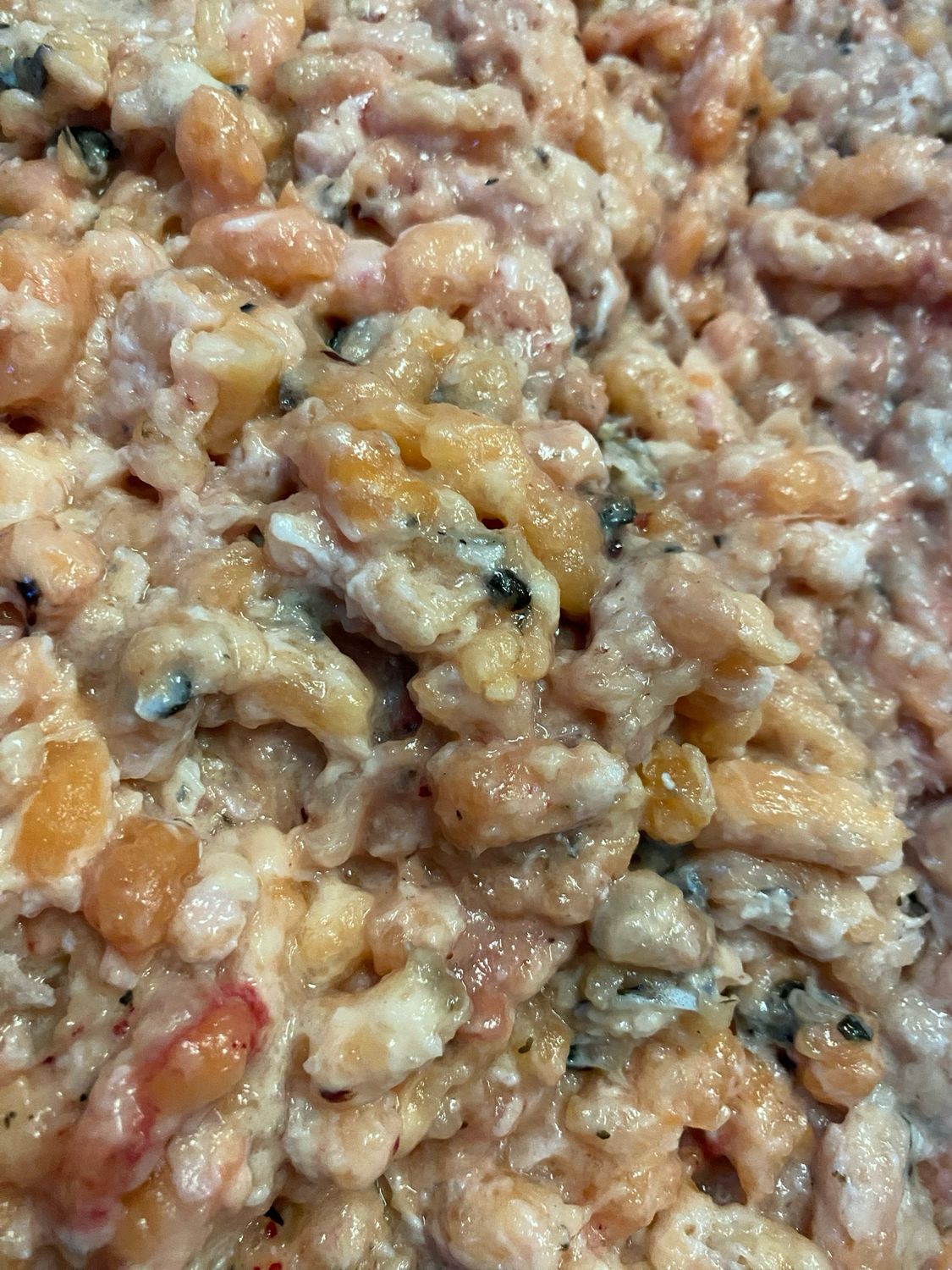
Salmon Mince Pack (Small)
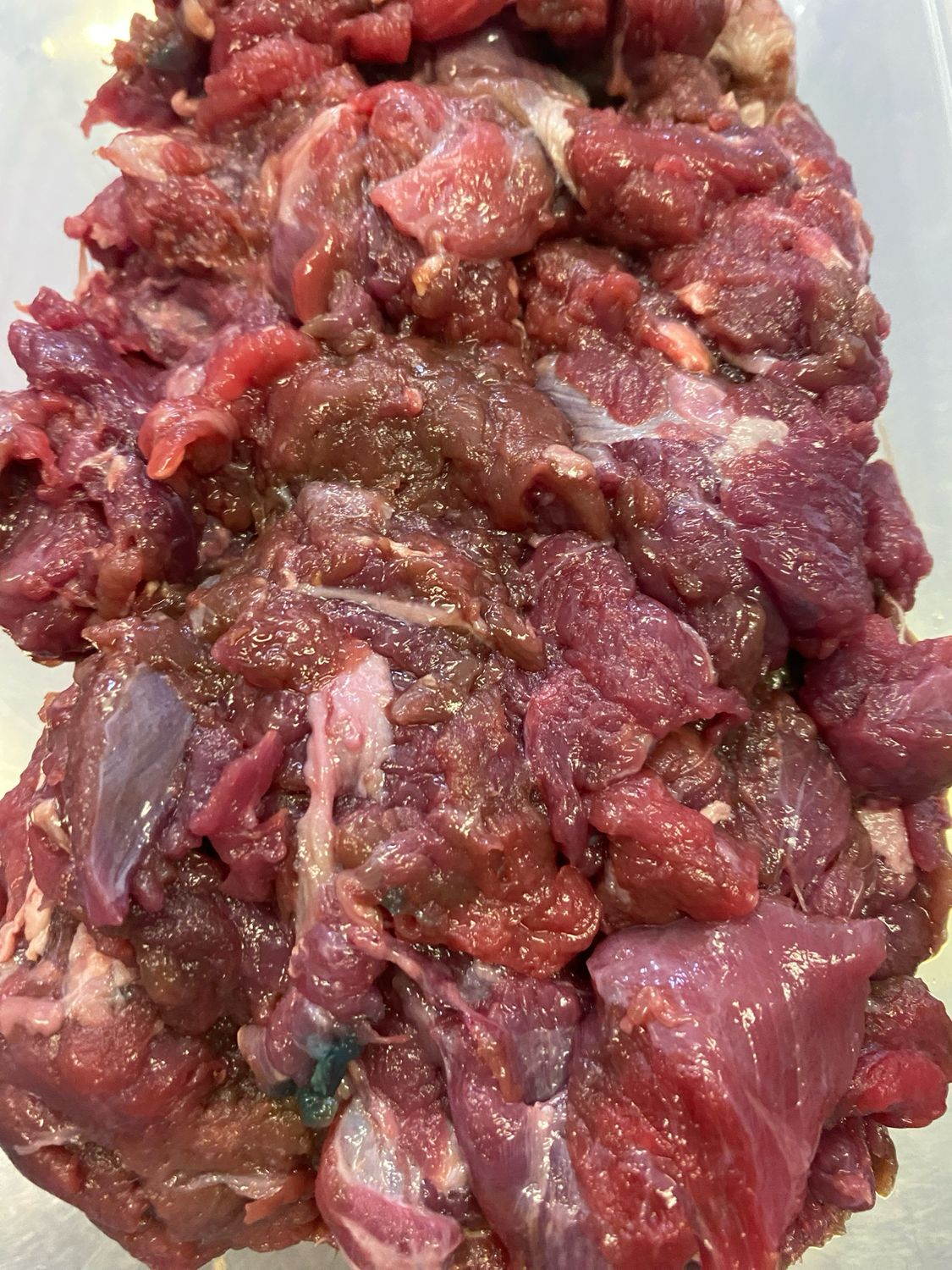
Kangaroo Chunks 500gm
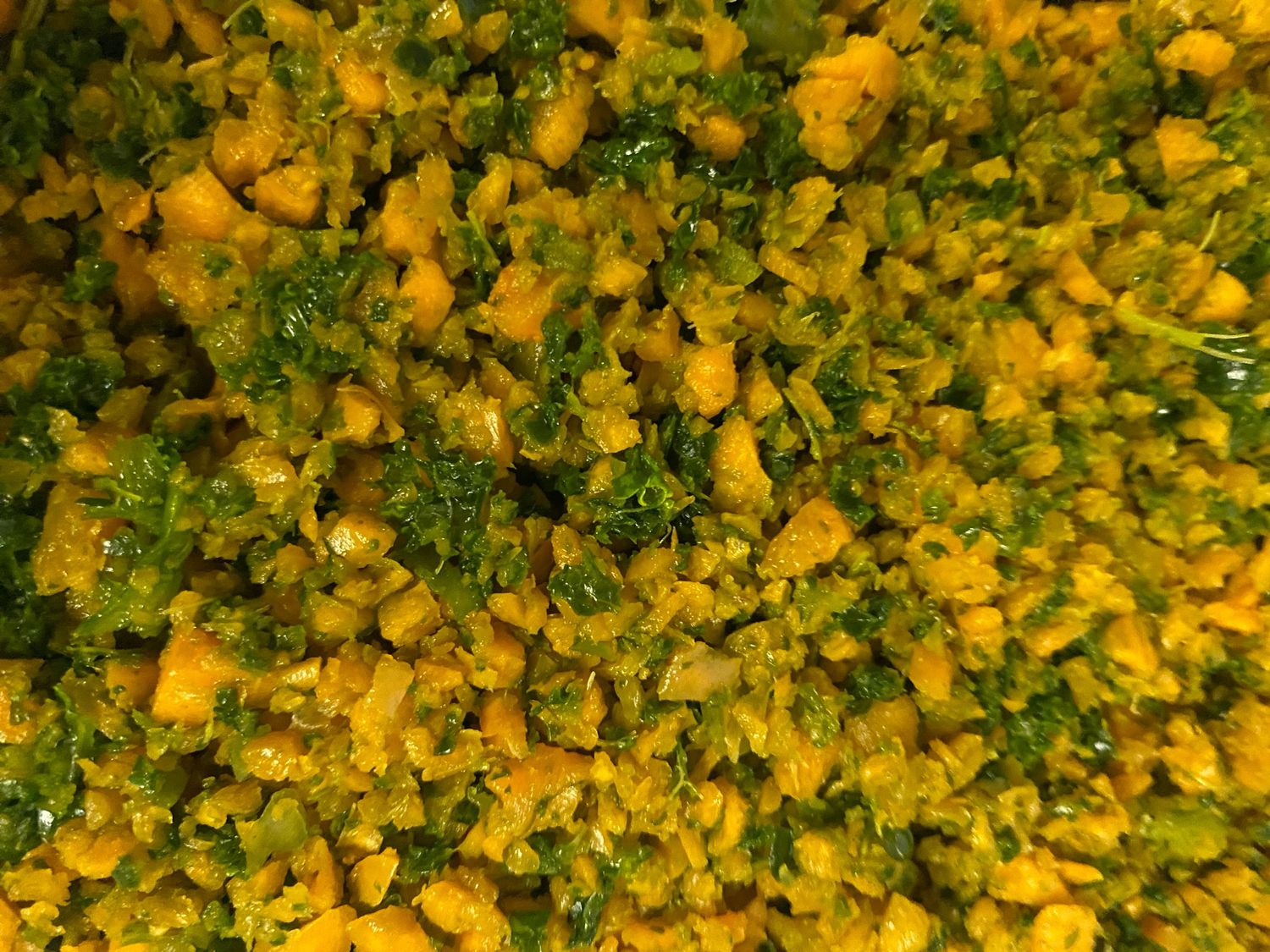
Fresh Vegetable Pack (Large)
Venison Antler Small
Venison Antler Medium
Venison Antler Large
Venison Antler Extra Large
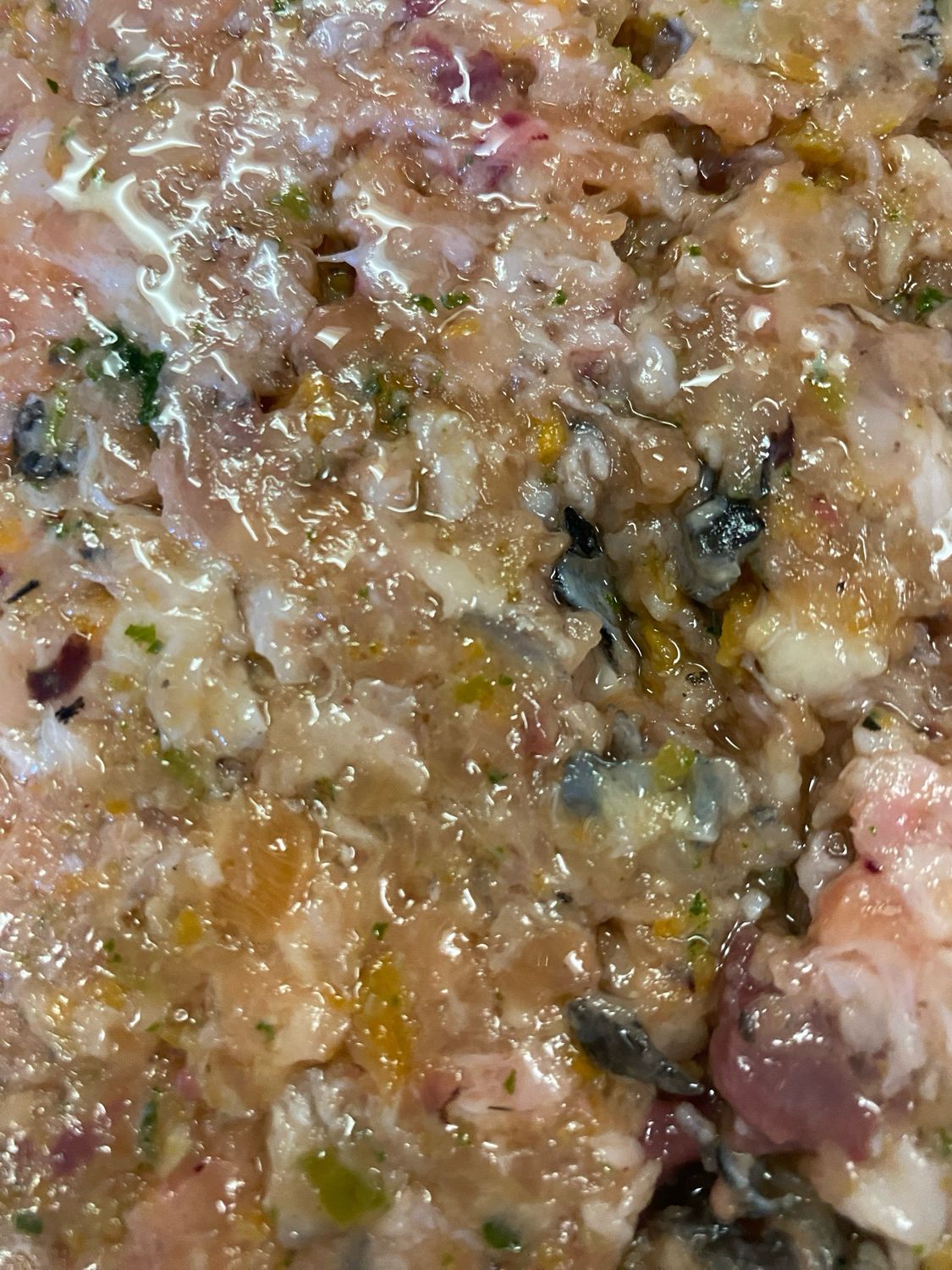
Salmon Barf Pack Large
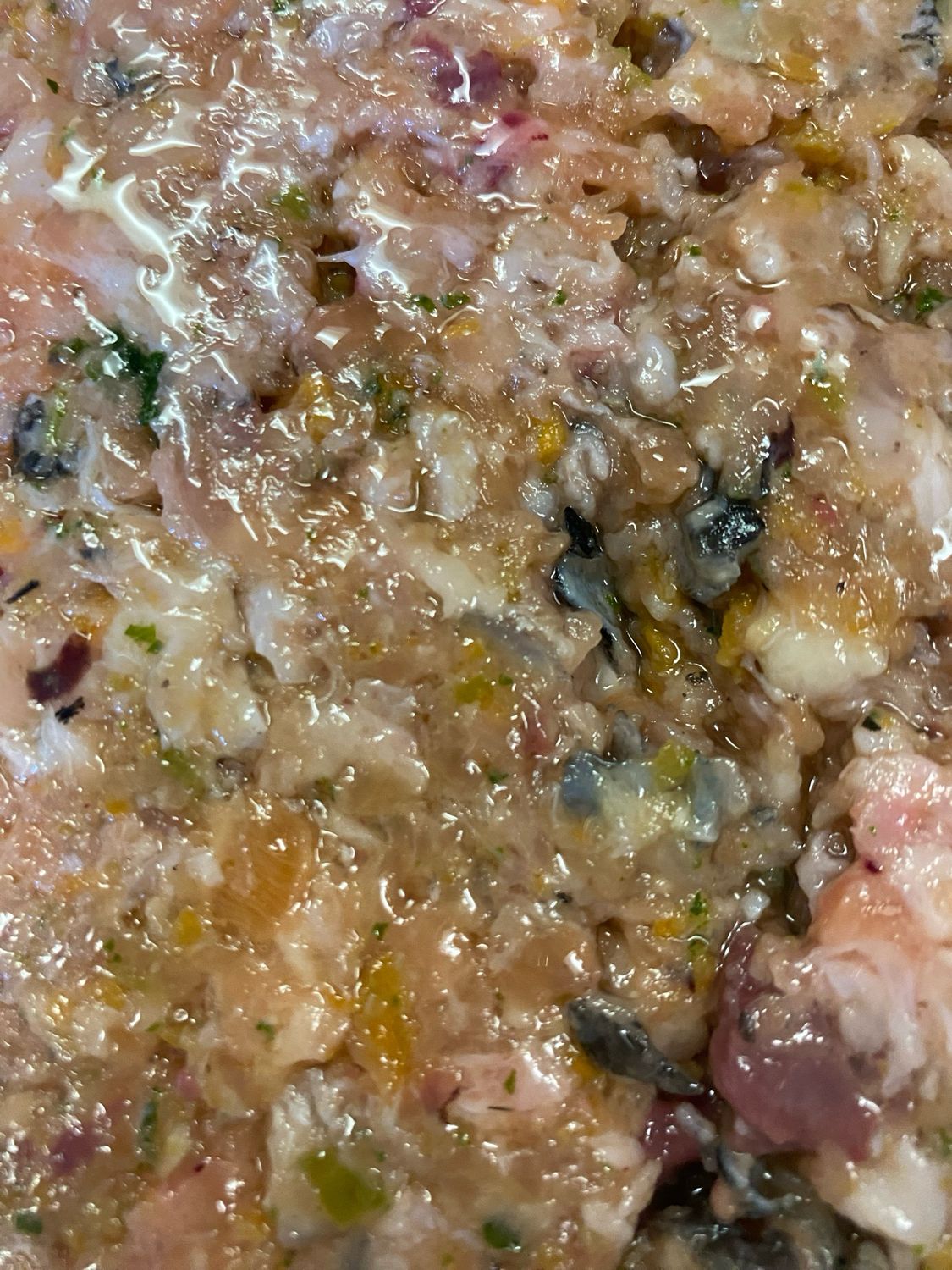
Salmon Barf Pack Small
Beef Pizzle Dried
Beef Mince 1kg
Sardines - SA Wild Caught 500 Gram
Pork Mince
Pork Mince Barf
Pork Mince Barf
Beef & Kangaroo Chunks Barf 1kg
Chicken Fillet & Venison Mince Barf
Duck & Venison Mince Barf 500gm
Chicken Wingtips 500gm
Chicken Necks 500gm
Chicken Liver 500gm
Chicken Hearts 500gm
Chicken Hearts 2kg Bag
Chicken Drumsticks 1kg
Kangaroo Mince 500gm
Venison Chunks Barf 500gm
Grover Carp & Chicken Air-dried
Air Dried Carp & Chicken - Completed Meal or Meal Topper
Air Dried Carp & Chicken - Completed Meal or Meal Topper
Air Dried Carp & Chicken - Completed Meal or Meal Topper
Air Dried Carp & Chicken Treat Sticks
Air Dried Carp & Chicken Flavour Booster / Meal Topper
What should I feed my puppy?
For a healthy, growing puppy, we recommend Buddy’s Bites BARF (Beef or Chicken). This recipe is suitable for all life stages of life, including for large breeds. It has been specially formulated following the BARF food guidelines.
Puppies will eat similar raw ingredients to adult dog food. However, the nutrient ratios will change with their requirements as they grow.